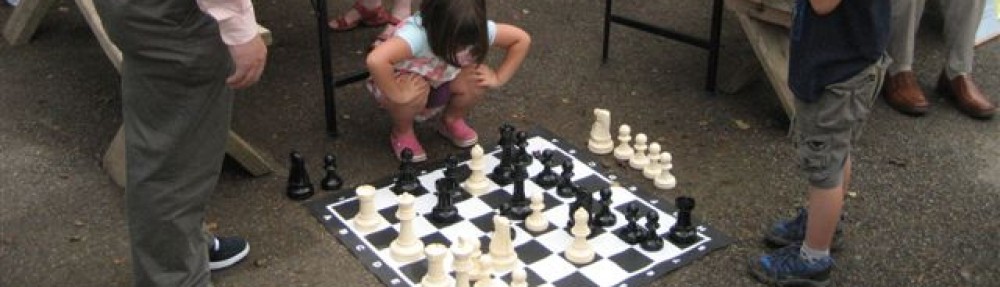
Vukovic’s mates

Some time after writing the piece about checkmate patterns, I bought V. Vukovic’s
famous book The Art of Attack in Chess. In it he
gives a chapter full of mates, shown below; the numbering and
terminology are his.

UPDATE: PGN file attached ]

  All of these mates are worth knowing, although you may
only pull off Reti’s mate once in your life. But the threat to
carry out Reti’s mate may come up every year.

  White is to move unless indicated otherwise.

30

-+-+-+-J
+-+-+-+b
-+-+-+-Q
+-+-+-+-
-+-+-+-+
+-+-+-+-
-+-+-+-+
+-+-K-+-

Solution/Notes


31 Arab mate

-+-+-+j+
+-+-R-+-
-+-+p+-+
+-+-+-+n
-+-+-+-+
+-+-+-+-
-+-+-+-+
+-+-K-+-

Solution/Notes


32

-+-K-J-+
+-+-+-+-
-+-+n+-N
+-+-+-+-
-+-+-+-+
+-+-+-+-
-+-+-+-+
+-+-+-+-

Solution/Notes


33

-+-R-+j+
+-+-+xXx
-+-+-+-+
+-+-+-+-
-+-+t+-+
+-+-+-+-
-+-+-+-+
+-+-+-K-

Solution/Notes


34

-+-+t+j+
+-+-+x+-
-+-+xPx+
+-+-+-Q-
-+-+-+-+
+-+-+-+-
-+-+-+-+
+-+-K-+-

Black to move Solution/Notes


35 Damiano’s mate

-+-+dTj+
+-+-+-X-
-+-+-Xp+
+-+-+-+-
-+-+-+-+
+-+-+-+-
-+-+-+-+
K-+q+r+r

Solution/Notes


36

-+-+-Lj+
+-+-+-X-
-+-Xx+p+
+-+-+-+-
q+-+-+-+
+-+-+-+-
-+-+-+-+
+-+-K-+-

Solution/Notes


37

-+-+-Tj+
+-+-+x+-
-+-+-+-+
+-+-+-+-
-+-+-+-+
+-+-+-+-
-+-+-+-Q
+-+-K-+r

Black to move Solution/Notes


38

-+-+-T-J
+-+-XxXb
-+-+-+-+
+-+-+-+q
-+-+-+-+
+-+-+-+-
-+-+-+-+
+-+-K-+-

Can Black, to move, save the game? Solution/Notes


39 Philidor’s legacy

-+-+t+-J
+-+-+-Xx
-+-+-S-+
+-+q+-N-
-+-+-+-+
+-+-+-+-
-+-+-+-+
+-+-+-K-

Solution/Notes


40

-+-+-Tj+
+-+-+xX-
-+-+-+-+
+-+-+-Nq
-+-+-+-+
+-+-+-+-
-+-+-+-+
+-+-+-+k

Black to move Solution/Notes


41

-+-+-Tj+
+-+n+x+x
-+-+-+x+
+-+-Q-+-
-+-+-+-+
+-+-+-+-
-+-+-+pP
+-+-K-+-

A common pattern Solution/Notes


42 Greco’s mate

-+-+-Tj+
+-+-+xXx
-+-+-+-+
+-+b+-Nq
-+-+-+-+
+-+-+-+-
-+-+-+-+
+-+-K-+-

Black to move Solution/Notes


43

-+-+-Tj+
+-+l+x+x
-+x+xB-+
+-+-+-+r
-+-+-+-+
+-+-+-+-
-+-+-+-+
+-+-K-+-

Black to move Solution/Notes


44 Morphy’s mate

-+-+-Tj+
+-+-+xXx
-+-+-L-+
+-+-+q+-
-+-+-+-+
+-+-+k+-
-B-+-+-+
R-+-+-+-

Solution/Notes


45 Morphy’s concealed mate

-+-+-Tj+
+-+-+xXx
-+-+-+-+
+-+-B-R-
-+-+-+-+
+-+-+-+-
-+-+-+-+
+-+-K-+-

Solution/Notes


46

-+-+-+j+
+-+-+-X-
-+-R-+n+
+-+-+p+-
-+-+-+-+
+-+-+-+-
-+-+-+-+
+-+-K-+-

Solution/Notes


47 Anastasia’s mate

-+-+-Tj+
+-+-+xXx
-+-+-+-+
+-Rn+-+r
-+-+-+-+
+-+-+-+-
-+-+-+-+
+-+-K-+-

Solution/Notes


48

-+-+-Tj+
+-+-+x+x
-+-+-Px+
+-+-Q-+-
-+-+-+-+
+-+-+-+-
-+-+-+-+
R-+-K-+-

Solution/Notes


49 ‘blind swine’

t+-+-Tj+
+rR-+-+-
-+-+-X-+
+-+-+-+-
-+-+-+-+
+-+-+-+-
-+-+-+-+
+-+-+k+-

Black to move Solution/Notes


50 epaulette mate

-+-+tJt+
+-+-+-+-
-+-+-Q-+
+-+-+-+-
-+-+-+-+
+-+-+-+-
-+-+-+-+
+-+-+k+-

Solution/Notes


51 swallow’s tail

-+-+t+t+
+-+-+j+-
-+-+-Q-+
+-+-+-P-
-+-+-+-+
+-+-+-+-
-+-+-+-+
+-+-+k+-

Solution/Notes


52

-+-+t+-J
+-+-X-+x
-+-+lX-Q
+-+-+-P-
-+-+-+-+
+-+-+-+-
-+-+-+-+
+-+-K-+-

Solution/Notes


53

-+-+-T-J
+-+-+x+x
-+-+-+-+
+-+-N-+-
-+-B-+-+
+-+-+-+-
-+-+-+-+
+-+-K-+-

Solution/Notes


54 as Rotlewi-Rubinstein

-+-T-+-J
+-+-+-+x
-+-+-+-P
+-+x+-+-
-+-+-+-+
+-+-+-+b
-+-+-+-+
+-+k+-B-

Solution/Notes


55 Boden’s mate

-+j+-L-T
XxX-+pXx
-+s+-D-+
+-+b+l+-
-+-+-+-+
+-P-Bq+-
pP-N-+-+
+-Kr+-+r

Black to move Solution/Notes


56 Pillsbury’s mate

-+-+-Tj+
+t+-+xXx
-+-+-+-+
+-+l+-+-
-+-+-+-+
+-+-+-+-
-B-+k+-+
R-+-+-R-

Solution/Notes


57 Legal’s mate

tS-DjLsT
XxX-+x+x
-+-X-+x+
+-+-X-+-
-+b+p+l+
+-N-+n+-
pPpP-PpP
R-BqK-+r

Solution/Notes


58 Max Lange’s mate

t+-DjL-T
XxX-+xXx
-+-+-+-+
+-+xP-+-
-+-+s+p+
+b+x+-+-
pPpP-+pP
RnBq+rK-

Black to move Solution/Notes


59 Reti’s mate

tSl+jL-T
Xx+-+xXx
-+x+-+-+
+-+-D-+-
-+-+s+-+
+-+q+-+-
pPpB-PpP
+-Kr+bNr

Solution/Notes


60 Blackburne’s mate

-+-+-Tj+
+-+-+xXx
-+-+-+-+
+-+-+-N-
-+-+-+-+
+-+-+-+-
-Bb+-K-+
+q+-+-+-

Solution/Notes


Solutions and notes

#30

  1 Bg6+ Kg8, 2 Qh7+ Kf8, 3 Qf7 mate

  1 Bf5+ Kg8, 2 Be6 mate

#31

  1 Nf6+ Kh8, 2 Rh7 mate

#32

  cannot be forced in this situation

  but worth looking out for in a castled King’s-side
position, because the Knights cover so many squares

#33

  Oh, how many times have we overlooked this…

#34

  1…Kh7, 2 Qh4+ Kg8, 3 Qh6 and 4 Qg7 mate

#35

  1 Rh8+ Kxh8, 2 Rh1+ Kg8, 3 Rh8+ Kxh8, 4 Qh1+ Kg8, 5 Qh7
mate

#36

  1 Qh5 Be7, 2 Qh7+ Kf8, 3 Qh8 mate

#37

  1…f5 2 Qh7 mate

  1…Re8 2 Qh8 mate

#38

  1…g6! 2 Qh6!

#39

  1 Nf7+ Kg8 2 Nh6+ Kh8 3 Qg8+ Rxg8 4 Nf7 mate

#40

  1…Rb8, 2 Qxf7+ Kh8, 3 Ne6 Rg8, 4 Qh5 mate

#41

  1 Nf6+ Kh8, 2 Nh5+ f6 escapes

  1 … Kg2, 2 Ne8++ Kh6, 3 Qf4+ g5, 4 Qf6+ Kh5, 5 Ng7+ and
White needs only a Pawn on g2/h2 to force mate

#42

  1…h6 2 Bxf7+ Kh8 3 Qg6! hxg5 4 Qh5 mate

#43

  1…Rf8, 2 Rg5+ Kf8, 3 Rg7!

#44

  1 Qxf6 gxf6, 2 Rg1+ Kh8 3 Bxf6 mate

#45

  1 Rxg7+ Kh8, 2 Rxf7+! Kg8, 3 Rg7+ Kh8, 4 Rg1+ Rf6, 5 Bxf6
mate

#46

  1 Rd8+ Kf7, 2 Rf8 mate

#47

  1 Ne7+ Kh8, 2 Rxh7+

#48

  1 Qg5 Kh8, 2 Qh6 Rg8, 3 Qxh7+

#49

  1…Rfd8, and White has only perpetual

  the Rooks ‘grunt out check’ but cannot get sight of mate
(Janowski)

#50

#51

#52

  1 g6 Bg8, 2 g7 mate

#53

  1 Nxf7+ or 1 Ng6+ mates

#54

  1 Be6 d4, 2 Bh2 and 3 Be5 mate

#55

  Macdonnell-Boden 1869

  1…Qxc3+ 2 bxc3 Ba3 mate

#56

  1 Rxg7+ Kh8, 2 Rg8+ Kxg8, 3 Rg1 mate

  (compare Morphy’s mate)

#57

  1 e4 e5, 2 Nf3 d6, 3 Bc4 Bg4, 4 Nc3 g6

  5 Nxe5! Bxd1? 6 Bxf7+ Ke7, 7 Nd5 mate

#58

  10…Bc5+ 11 Kh1 Ng3+ 12 hxg3 Qg5, 13 Rf5 h5! since 14
Rxd8 hxg4 mate

#59

  9 Qd8+ Kxd8, 10 Bg5++ Kc7, 11 Bd8 mate

#60

  1 Qh1 h5, 2 Qxh5! gxh5, 3 Bh7 mate


A Queen sacrifice

I played an extremely boring last-round game at Torquay, choosing the English Defence, which is usually good for a scrap at my level.

Archer-Lock,C – Regis,D Torbay Open Riviera (5), 20.11.2011

1.d4 e6 2.c4 b6 3.Nc3 Bb4 4.e4 Bb7 5.Bd3 f5 6.Qh5+ g6

The Queen check is supposed to weaken the black King’s-side, but it also has some benefits for Black; f5 is strengthened and the g7 square can be a bolt-hole for the black Queen.

7.Qe2 Nf6 8.Bg5 fxe4 9.Bxe4 Bxe4 10.Bxf6 Qxf6 11.Qxe4 Nc6 12.Nf3 0-0 ½-½

Keene and others in the 1970s tried to show Black has some play against the white pawn structure, but really, White doesn’t have enough weaknesses and the position is too simplified. Even after Black swaps Queens and gets a Rook to (say) a4, White can simplify further with d4-d5 and hold the position.

After the game, my opponent and I discussed the possibility of playing a Queen sacrifice.

1.d4 e6 2.c4 b6 3.Nc3 Bb4 4.e4 Bb7 5.Bd3 f5 6.Qh5+ g6 7.Qe2 Nf6 8.Bg5 fxe4 9.Bxe4 Nxe4!?

Quite a scrap, indeed! I couldn’t remember the theory and went for the structure.

This idea has been known for a long while, in various forms. I think I first came across it in the Leningrad Nimzo-Indian.

1.d4 e6 2.c4 Nf6 3.Nc3 Bb4 4.Bg5 c5 5.d5 exd5 6.cxd5 Nxd5 7.Bxd8 Nxc3…

I think the verdict in that line is that White is winning, but I wouldn’t fancy working out how to show it over the board, it’s a line you have to know.

The English Defence setting has two varieties, with and without the Queen check.

1.d4 e6 2.c4 b6 3.Nc3 Bb4 4.e4 Bb7 5.Bd3 f5 6.Qe2 Nf6 7.Bg5 fxe4 8.Bxe4 Nxe4!?
1.d4 e6 2.c4 b6 3.Nc3 Bb4 4.e4 Bb7 5.Bd3 f5 6.Qh5+ g6 7.Qe2 Nf6 8.Bg5 fxe4 9.Bxe4 Nxe4!?

Odessky in his hugely entertaining and thorough book analyses both varieties, reckoning the 9th move version with the check is OK for Black (so Chris was wrong to play the check if he hoped for this line) and the 8th move version without is winning for White, because of ideas like:

9.Bxd8 Nxc3 10.Qg4
9.Bxd8 Nxc3 10.Qh5+ g6 11.Qh4

In the version with the ‘finesse’ 6.Qh5+, White doesn’t have either of these moves available, so must rely on something like 10.Bxd8 Nxc3 11.bxc3 Bxc3+ 12.Kf1 Bxa1 13.Bxc7 Bxd4 14.Bd6!?

Without the finesse, what is Black to do? Odessky suggests in reply to 7.Bg5, the move 7…h6, since after 8.Bxf6 Qxf6 9.e5!? (a move that is awkward with a bPg6) 9…Qg6! is available.

Basman has tried a similar sac in his games, including this outing against Pritchett in the St.George Defence, where White eschewed the Queen check.

Pritchett-Basman, Bristol 1980

1.d4 b5 2.e4 a6 3.c4 e6 4.cxb5 axb5 5.Bxb5 Bb7 6.Bd3 f5 7.Qe2 Nf6 8.Nc3 Bb4 9.Bg5 fxe4 10.Bxe4 Nxe4 11.Bxd8 Nxc3 12.bxc3 Bxc3+ 13.Kd1 Bxa1 14.Bxc7 [with Q vs RB] 14…Bxd4 15.Bd6

Black has given up a pawn on top of the usual R+B, but Basman reasons that helps Black because the Ra8 can enter the game quickly. You’ll have to decide for yourself whether this is true, as Basman gives not a single line of analysis in his notes. (The whole book is like that: games set one move to a line with merely descriptive commentary.) Black won after the players baled out into an endgame with level material where Black’s activity persisted, and in fact all the other games I’ve been able to find are wins for Black. So even if your silicon friend likes the material, Black’s practical chances are excellent.

Recently we saw the whole thing launched once more when my team-mate Chris Southall caught out the new Devon Champion, teenager Alex Billings, with it:

1.d4 b5 2.e4 a6 3.c4 e6 4.cxb5 axb5 5.Bxb5 Bb7 6.Bd3 f5 7.Qe2 Nf6 8.Nc3 Bb4 9.Bg5 fxe4 10.Bxe4 Nxe4 11.Bxd8 Nxc3

Alex counted the pieces at move 12 and decided not to give up the exchange,

12.Qg4 Ne4+ [with Q vs BN]

…but the black Knight was a dangerous attacking piece and the white Rook just a paperweight; the discovered check gives Black a continuing initiative. Black’s active pieces ran amok and chased the White King across the board, delivering mate.

13.Ke2
[13.Kf1!?]
13…0-0 14.Bh4 Ba6+ 15.Kd1 Nxf2+ 16.Bxf2 Rxf2 17.Nf3 Be2+ 18.Kc1 Bd2+ 19.Kc2
[19.Kxd2 Bxf3+ 20.Ke3 Bxg4 21.Kxf2-+]
19…Nc6 20.a3
[20.Qg3!?]
20…Be3 21.Kb1
[21.Qg3!?]
21…Bd3+ 22.Ka2 Rb8 23.Rab1 Bc4+
[23…Nb4+! 24.Kb3 Bc2+ 25.Kc3 Nd5+ 26.Kc4 Rb3]
24.Ka1 Na5 25.b4
[25.Ne5 Nb3+ 26.Ka2 Bd5!]
25…Ra2# 1-0