


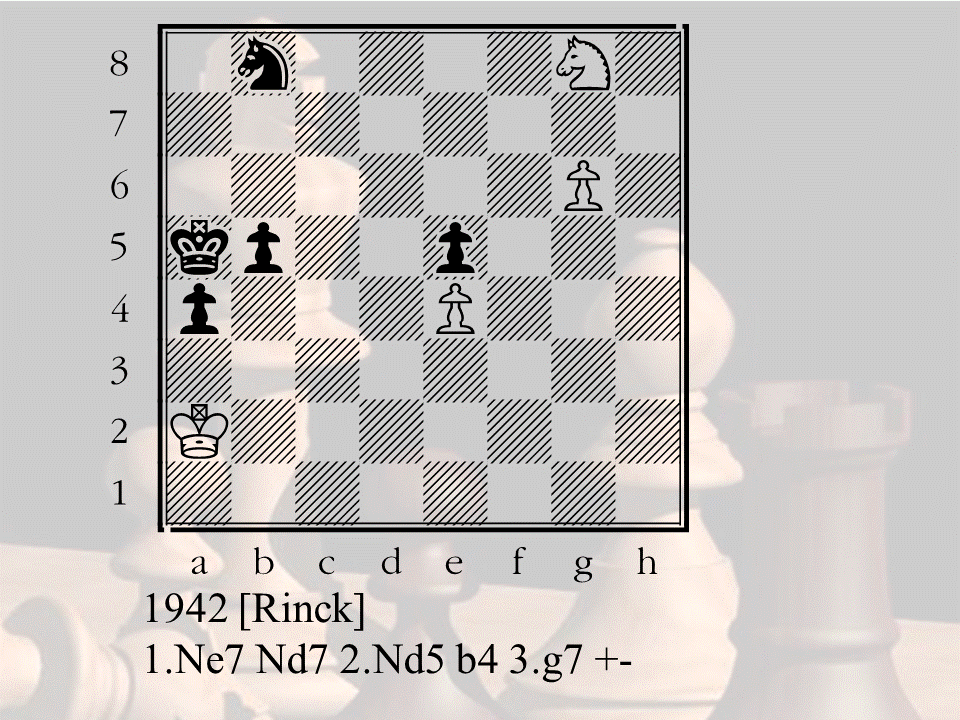


1.e4 e5 2.f4
Asking around the group for moves for Black at move 2, we collected:
2…f6;
2…d6;
2…Nf6;
2…Nc6;
2…Bc5;
2…exf4;
2…Qh4+;
2…Qf6;
2…Qe7;
2…d5 …
And that probably doesn’t exhaust everything that has been tried, but it will do for now. All have some logic so let’s work our way through them.
Before we do, it is important to note at the start that White is not yet threatening the Black e-pawn, Here if 2…a6 3.exf4?? Qh4+ and White is embarrassed. So actually Black can pretty well do what they like.
* 2…f6 is well motivated but fails to the elementary tactical sequence
3. fxe5 fxe5 4. Qh5+ g6 5. Qxe5+ Qe7 6. Qxh8 Qxe4+ 7. Be2 Qxg2 8. Bf3 …
* 2…Nf6 and 2…Nc6
Both neglect to support the King’s pawn. After 2…Nc6 3.Nf3 Black has the same problem.
3.fxe4
becomes a threat after 2…Nf6 and the logical sequence:
1.e4 e5 2.f4 Nf6 3.fxe5 Nxe4 4.Nf3 Ng5 (4…Nc6 5. d3 Nc5 6. d4 Ne4) 5.d4
Nxf3+ 6.Qxf3 Qh4+ 7.Qf2 Qxf2+ 8.Kxf2
…as in Fischer-Wade, 1968, gives White an edge.
* 2…d6
Not daft, not bad, but not best. This move is unkind to the Bf8,
and, as there is no direct threat to the e-pawn, we can go:
2…Bc5 3.Nf3 d6
Now White can try 4.Nc3 and 5.Bc4, or 4.c3, with normal chances of a
small White advantage.
2…d5
White can avoid all dangers
3.Nc3
– however, White is also in no danger of getting an advantage with this
tame move.
3. exd5
Now Black has a choice of counter-gambits, Nimzowitsch’s 3…c6 and
Falkbeer’s 3…e4.
After 3…c6, any mess can be declined with 4.Nc3, reckoned to
be the best line at the moment.
3…e4 is a great idea but I
think White can find a way towards an advantage:
4. d3 Nf6
(4… Qxd5 5. Qe2 Nf6 6. Nd2 Bf5 (6…Bg4 7.Ngf3) 7. dxe4 {idea ?xe4, 8 g4! is very strong.})
5. dxe4 Nxe4 6.Nf3
(6. Be3!? is an idea of Spassky: 6… Qh4+ 7. g3 Nxg3 8.Nf3 Qe7 9.hxg3
and now 9…Qxe3+ 10.Qe2 or 9…Qxh1 10.Qe2)
6… Bc5 7. Qe2 f5
(7… Bf5 8. Nc3+=)
8. Nc3 Bf2+ 9. Kd1 += and
Black’s juggernaut has run into sand.
Turning now to ways of accepting the gambit, after 2…exf4, Black’s threat of playing 3…Qh4+ is most easily met by 3.Nf3. Now Black has another enormous choice here, but I recommend looking first at the Cunningham Defence.
3…Be7 threat …Bh4+
4. Bc4
4.Nc3?! Bh4+ 5.Ke2 may not be terrible, but White probably doesn’t want to go down this line.
But after 4.Bc4, 4…Bh4+ 5.Kf1 may inconvenience Black more than White.
4… Nf6
There are now an encouraging number of mistakes for White to make in the first few moves.
(5. O-O? Nxe4)
(5. Nc3?! Nxe4!)
(5. d3?! d5!)
So, by the process of elimination:
5. e5! Ng4!
Now 6. h3?? Bh4+ is awful for White and 6. d4 d5 7.exd6 Qxd6 looks OK for Black, so
6. 0-0 0-0! 7. h3?! d5! 8. Bb3
[8.exd6 then 8…Qxd6 threatens to win the loose c4-bishop with 9…Qc5+.]
8…c5! 9.c3
[9.hxg4 c4 10.Ba4 b5 11.Bxb5 Qb6+ 12.Kh1 Qxb5 13.Nc3 Qc6 14.d4 Bxg4 15.Bxf4 Nd7 16.Qd2 Bxf3 17.Rxf3 f6 18.exf6 Bxf6 19.Re1 Rf7 20.Rfe3 Nf8 21.Be5? Bg5 …0-1 Kennaugh-Hebden, 1994]
9…c4 10.hxg4
[10.Bc2? loses swiftly to 10…Qb6+]
10…cxb3 11.Qxb3 d4! 12.d3
[12.Nxd4 Bc5 13.Rxf4 Nc6 14.Qc4 Nxe5! 15.Qxc5 Nd3!]
12…Nc6 13.c4 g5! 14.Nbd2 Bxg4 15.a3
[15.Qxb7 Nb4 is horrible for White.]
15…Qc7 16.Re1 Bh5
(idea 17…g4)
17.Ne4 Bxf3 18.gxf3 Nxe5 19.Kg2 f5 20.Nf2 Ng6 0-1 Holmes-Motwani 1994.
When the Stonewall works, it can feel as simple as shelling peas:
That is very much How Not To Defend Against The Stonewall Attack, although the move order is worth remembering.
However, Black can play more craftily and survive, mostly by not castling into the attack, but also by making a more determined effort to control the light squares and/or the centre.
In a way, White has learned a trick, like Scholar’s Mate is a trick:
1.e4 e5 2.Qh5 Nc6 3.Bc4 Nf6?? 4.Qxf7#
(Actually that was my first ever game in a chess club, and I was Black…) Once Black has seen the idea it is not so hard to dodge. Then White needs an opening with more and deeper ideas, that poses Black problems that are not so easy to see coming or to deal with.
Tchigorin worked out a move order that makes nonsense of the whole Stonewall Attack, which Brian (**) is having trouble with:
* Tarrasch-Tchigorin, 1895 [GAME]
Sad to say, there is no answer to this for White. You either have to hope that Black players don’t know this defence, or you need to trick them with some other move order (3.Nd2!?), or really you need to find a better opening.
By all means start towards it with 1.d4 d5 2.e3 Nf6 but now I suggest 3.Nf3.
After 3…e6 we can play the Colle System and after 3…Bf5 we can play the Slow Slav with 4.c4 – not a hugely inspiring way to play but Kramnik struggled occasionally
in 2006 when faced with it by Topalov in their 2006 match. (3…Bg4 4.c4 is similar.)
Certainly, White has better chances with these ideas than in the Tchigorin line.
That’s not to say that you should forget all about this formation. You might find that Black uses a move order in the opening which does not allow Black to play the very best defences.
(1) You might be able to spring a Stonewall Attack after a different start, while playing more mainstream QP openings:
* Portisch-Petrosian, 1974 [GAME]
* Prie-Jablonski , 2003 [GAME]
(2) You can try Bird’s Opening:
* Danielsen-Halldorsson, 2002 [GAME]
(3) And lastly, there is still an enthusiasm for playing the Stonewall Dutch Defence as Black (ask Tim!), perhaps not with such directness as this:
* Glucksberg-Najdorf, 1935 [GAME]
Kramnik famously declared that, with the extra space, the Stonewall Dutch is easier to play with Black than for White! I was very struck when I got a copy of NCO, to see all the main lines of the Stonewall were given an unadorned “=”.
With recommendations like that, it is hard to dismiss the defence, but of course with greater attention came greater number of ideas for White, and it perhaps is less easy to play the Stonewall for Black than it used to be.
There are a couple of excellent books on the defence around, by Aagaard and by Johnssen et al.
(**) I will just say here that Brian’s adoption of the Stonewall is due to the book How to Think Ahead in Chess, which, whatever its title might suggest, is an opening repertoire book recommending the Stonewall for White. I note that this book appeared in 1943 while Tchigorin’s bust has been known since the well-known game Tarrasch-Tchigorin, Hastings 1895. Soltis also suggested the Stonewall for White in 1992, but at least
he had the integrity to mention the problem and suggest a solution. (4. f4 Nb4 5. Nf3 Nxd3+ 6.Qxd3 when Soltis suggests the central control is still worth something.)
Well, if I could guarantee a trouble-free life against the Lopez, I would be able to earn a fortune selling the secret. It seems the GMs are still working out the details of the Zaitsev and the Marshall and the Moller, but these sophisticated and subtle systems are buried under a mountain of theory, not easily absorbed by club players.
So what are we to do? Lots of options, but let’s have a look at these two:
* Open Defence
4. Ba4 Nf6 5. O-O Nxe4 6. d4 b5 7. Bb3 d5 8. dxe5 Be6 9. c3
I always liked to see Korchnoi’s progress with this vigorous Defence, favoured by Tarrasch and also adopted by the upright Dr.Euwe. When I was a boy I had a notion of playing the Dilworth Variation, a complicated line of which the evaluation defends on a
complicated endgame:
9… Bc5
Alternatives are
(9… Be7)
and
(9… Nc5)
Sadly, Korchnoi’s persistence with the line at World Championship level provoked Karpov and his team to develop better anti-Open variations, and these days 9.c3 is discarded in favour of the modern 9.Nbd2. This is particularly sad for fans of the Dilworth, for although Black is still battling away with 9…Be7 and 9…Nc5, it seems White has a simple small advantage after 9…Bc5.
Is there any reason to play a line without 3…a6? Fine showed the superiority of Morphy’s move-order in clear terms in his well-known book, emThe Ideas Behind The Chess Openings./em After strong1.e4 e5 2.Nf3 Nc6 3.Bb5/strong with and without strong3…a6 4.Ba4 /strong
| Without …a6 | With ….a6 |
|---|---|
| 3…Nf6 4.0-0 Nxe4 5.d4 Be7 6.Qe2 Nd6 7.Bxc6 bxc6 8.dxe5 Nb7 9.Nc3+= | 4…Nf6 5.0-0 Nxe4 6.d4 b5 7.Bb3 d5 8.dxe5 Be6 9.c3= |
| 3…d6 4.d4 Bd7 5.Nc3 Nf6 6.Bxc6 Bxc6 7.Qd3 exd4 8.Nxd4 Bd7 9.Bg5+= | [4…d6 5.d4 b5 6.Bb3 Nxd4 7.Nxd4 exd4 8.Bd5 Rb8 9.Bc6+ Bd7= |
You can argue about the moves but I hope the point is made.
Only if you were very keen to avoid the Exchange Variation would it
seem advantageous to omit 3…a6.
However, while Black’s winning chances in the Berlin are not great,
White’s winning percentage is not huge either. Let’s look at the
main line:
strong3… Nf6 4. O-O Nxe4 5. d4 Nd6 6. Bxc6 (6. dxe5!? Nxb5 7. a4) 6… dxc6 7. dxe5 Nf5 8.
Qxd8+ Kxd8/strong
The Queens come off and White has to try his best in an endgame
where yes, the King’s-side majority is a big asset, but Black has two
Bishops and already a lot of light-square control.
White can point to several advantages but the position is relatively
quiet and the play positional. So what? Well, Kramnik possibly
owes his World Championship title to the Berlin Defence, where in 2000
Kasparov failed to make effective use of the White pieces:
1 2 3 4 5 6 7 8 9 0 1 2 3 4 5
* 1 * . . . . . * 1 . . * . .
so, 2-0 or 8.5-6.5 to Kramnik. The marked games were draws
where Kramnik played the Berlin and held
it. The Berlin is a smart move against a player with such a marked
reference for complex attacking play.
Just a second suggestion if the Open and Berlin don’t appeal.
The main lines of this variation are long and difficult and probably
better for White. White has to know them, though!
Lutz,C – Yagupov,I Groningen, 1995
1.e4 e5 2.Nf3 Nc6 3.Bb5 f5 4.Nc3 fxe4
5.Nxe4 d5 6.Nxe5 dxe4 7.Nxc6 Qg5 8.Qe2 Nf6 9.f4 Qxf4 10.Ne5+ c6 11.d4
Qh4+ 12.g3 Qh3 13.Bc4 Be6 14.Bf4 0-0-0 15.0-0-0 Bd6 16.Kb1 Rhf8 17.Rhf1
Kb8 18.a4 Ka8 19.a5 Bxc4 20.Qxc4 Bxe5 21.dxe5 Nd5 22.a6…
(1-0,60)
Sokolov and others have pointed to 5…Nf6 as a less high-stakesoption, where Black has reasonable chances for the pawn.
Charlie asked after the variation:
1.e4 c5 2. Nf3 Nc6 3. c3 d5 4. exd5
Qxd5 …
Now both Charlie’s suggested plans:
5. d4
5. Na3
… look like very reasonable ways of seeking the advantage. I
don’t know much about this line but I looked it up. The move
order is not one that you find in all the books, but after 5.d4 we are
into a fairly well-known position where Black can try 5…cxd4, 5…Nf6
or even 5….e5!? with reasonable chances of equality. 5.Na3 has
been tried a couple of dozen times in the last 10 years, with fair
results, although following 5.Na3 the most common sequence has been
5…Bg4 6.Be2 e5, and
I can’t see that White has succeeded in setting Black any problems
after this.
In the search for novel play we should avoid:
* Potze-Van der Elburg, Hoogeveen 2006: 1.e4 c5 2.c3 d5 3.exd5 Qxd5 4.Nf3 Nc6 5.Na3 Bg4 6.Be2 e5 7.0-0 0-0-0 8.Qa4 e4 9.d3 Bxf3 0-1 as 10.gxf3 exd3
11.Bd1 d2 wins a piece.
from Charlie Keen


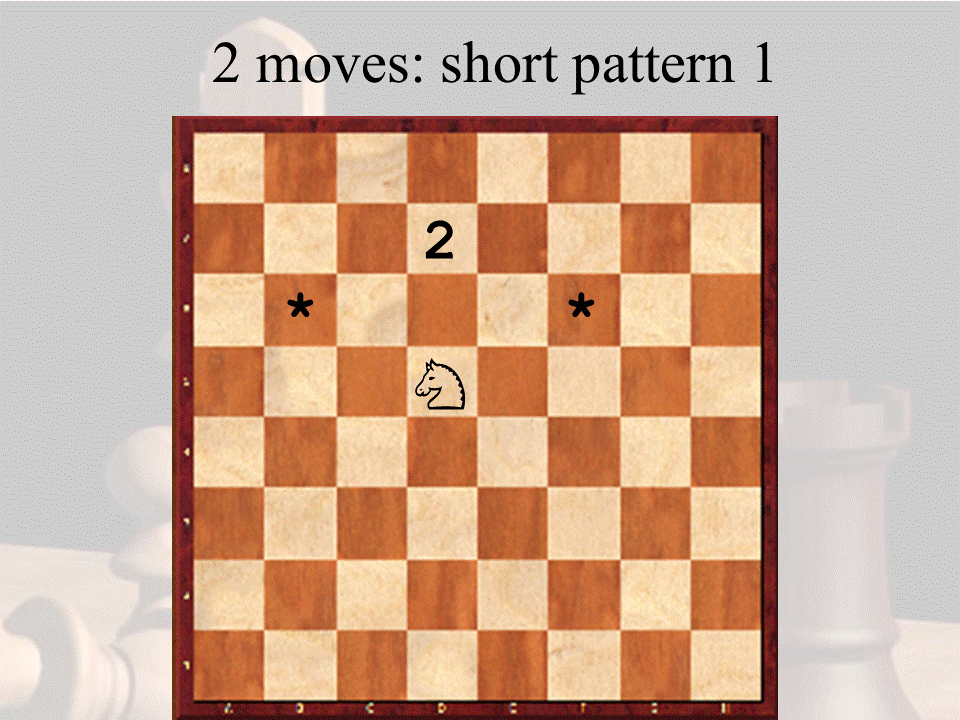

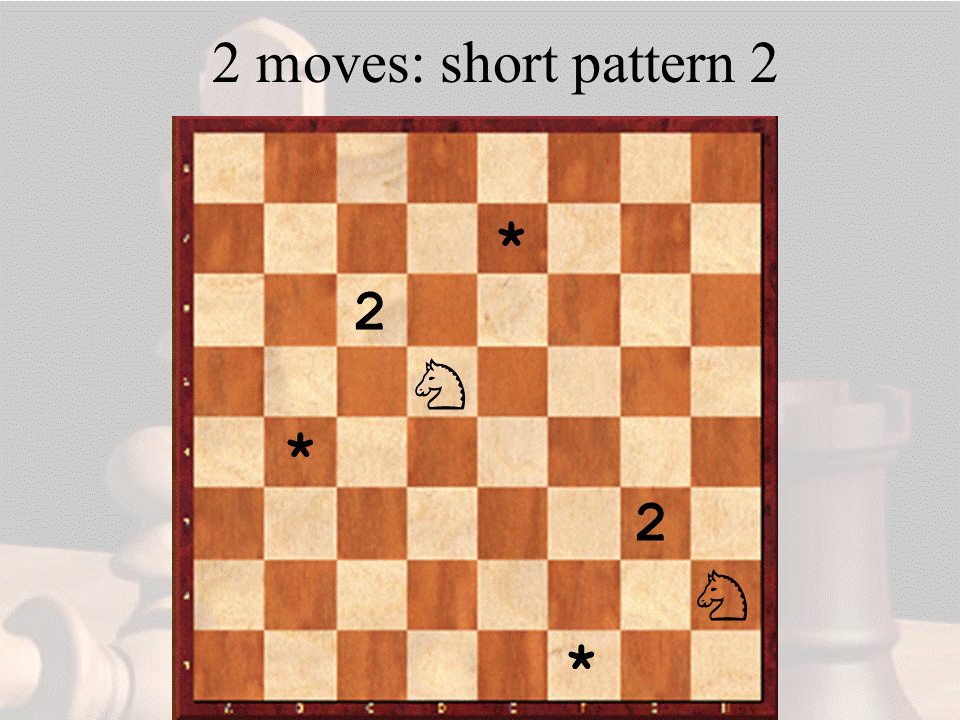





Tim came to the club buzzing with these a few weeks ago.
A Zugzwang (German: forced move) is a chess position where, if it’s your turn to move, you lose, and if your opponent has the move, you might be OK.
Here’s an example from one of my own games: anything White does loses. We say, White is in Zugzwang.
Black can doodle happily with pawn moves, but any move of a white Pawn or piece loses at least a Pawn. White in fact threw himself on the sword with
43. c4 Ra3+ 44. Kh4 Be7+ 45. Kh5 Rh3#
The simplest Zugzwang position of all is known from the theory of Pawn endgames, with two Kings and one pawn trying to promote.
Black to move loses, but with White to move, it’s a draw.
A mutual or reciprocal Zugzwang is where neither side wants to move, and this position is indeed a mutual Zugzwang.
A mutual full-point Zugzwang (m-f-p-Z) is where both sides are in Zugzwang. In the Pawn endgame, White to move concedes a half-point to Black, but in a m-f-p-Z White loses a whole point. Here’s an example, known as the trebuchet:
All OK? So, these ideas have been around for dickey’s years, but what Tim was enthusiastic about was learning of positions with King each, a Pawn each and a single white piece (Bishop, Knight or Rook), which met the conditions of a m-f-p-Z. In fact, Tim was more mischievous than just to show us: he set us the task of finding the positions! I’ll give you an hour or so now to have a go yourselves…
(…)
Finished? How many did you get?
Solutions for 5-men positions:
Bishop:
A couple with a Knight:
and
Rook:
Nothing so simple exists for a Queen, but if you are prepared to add extra pawns, or an enemy Queen:
and
Here are solutions for 6-men positions with B N or R:
and
or
And if you have a Rook each, we have examples like:
More?
Full set:
http://www.k4it.de/egtb/zugzwang.php/
Article about 6-man tablebases:
http://ticc.uvt.nl/icga/acg12/proceedings/Contribution104.pdf
John Nunn got a bit interested in all these, and I refer you to his excellent books based on comprehensive computer endgame databases, recently updated since the emergence of the 6-man tablebases:
P.S.
Candidates for the Immortal zugzwang game include this classic from Nimzowitsch:
Samisch – Nimzovitch [E06] Carlsbad, 1923
And two he would rather forget:
Nimzovitch,A – Capablanca,J [B12] New York, 1927
Alekhin – Nimzowitsch [C17] San Remo, 1930
All are to be found in the Canon:
P.S. in 2026: a complicated mfpZ
https://chess.stackexchange.com/questions/9062/full-board-with-full-point-mutual-zugzwang
Noam Elkies chipping in tuppence there
Diligent explorers of this website may have found a little collection
of the finest swindles that I had perpetrated in my career, up to the
point where I established this website. I pulled off another one
so appalling that I thought it too should be displayed as a dreadful
warning to others. The serendipity of life ensured that a week or
two before, hot new signing Tim Paulden had pulled off a win when a
piece down in an endgame, and a week or two after, I witnessed Ian
Jamieson come out with a win in a position that the most sympathetic
reading would say was unpromising.
Click […] to see list of games
I am reminded of the wise words of Grigory Sanokoev:
“There are no hopeless positions; there are only inferior positions
that can be saved.
“There are no drawn positions; there are only equal ones in which you
can play for a win.
“But at the same time, don’t forget that there is no such thing as a won
position in which it is impossible to lose.”
–Grigory SANAKOEV
[I am grateful to my esteemed former colleague Peter Lane for drawing
my attention to this quote.]
Steinitz became World Champion (more or less) in 1866 by beating Adolf Anderssen in a bloodthirsty match (+8 -6 =0). His style was very much in the tradition of the Italian school, playing for attack from the word go. He was awarded the brilliancy prize for this Rook sacrifice:
His play in the of 1872 was still in this style, but his play in the tournament of 1873 was in marked contrast, playing for small positional advantages in the opening and early middlegame, and converting to a win only later. Converting to a win might still be a brilliant attack, but it was more likely to be scooping up a few pawns.
(305)
Steinitz was World Champion for 20 years — because, he said, he was 20 years ahead of his time! His theories diffused into the chess world through lots of little pieces in newspapers and magazines, as never produced a book or a summary of his theory during his life (he died before he completed The Modern Chess Instructor). Lasker undertook to explain Steinitz to the world after he died, and Tarrasch also wrote a lot about Steinitz’ theories.
| Steinitz’ elements (after Lasker) | Steinitz’ rules of attack |
|
Permanent advantages
1. Material advantage Temporary advantages 12. Bad piece position |
”
From David HOOPER, Steinitz’ Theory, British Chess Magazine Vol. 104, p.370, Sept 1984. |
Now, where to attack may be obvious, but just in case not: you attack where you are strongest or where your opponent is weakest.
Here’s a quick example:
Marshall = Kline
weak pawns: creating holes
1913
1. d4 d5 2. c4 e6 3. Nc3 Nf6 4. Bg5 Be7 5. Nf3 Nbd7 6. e3 O-O 7. Rc1 b6 8. cxd5 exd5 9. Qa4 Bb7 10. Ba6 Bxa6 11. Qxa6 c6 12. O-O Ne4 13. Bxe7 Qxe7
| White’s plus points | Black’s plus points |
|
|
The continuation is also a good example of Lasker’s famous maxim:
“No combination without a considerable plus, no considerable plus without a combination […]”“In the beginning of the game ignore the search for combinations, abstain from violent moves, aim for small advantages, accumulate them, and only after having attained these ends search for the combination – and then with all the power and will of intellect, because the combination must exist, however deeply hidden.”LASKER
36. Ne1?
“Well, well. IM (and correspondence GM) Douglas Bryson once told me that he almost never plays a game that flows smoothly from start to finish; there is always a “moment” of sorts where someone misses a big defensive opportunity or the nature of the position changes more than one might reasonably expect. This was such a “moment”.”
— Jonathan Rowson British Chess Magazine October 1999 p.553
- Good News:
- There is a brand new book out by Ali Mortazavi which is all about swindling
- Bad News:
- The book was strongly criticised when reviewed by Jonathan Rogers in KingPin magazine.
- Good News:
- The review article in itself is very good reading on swindles, and would make a good complement to this document.
- Bad News:
- The diagrams in this document are a bit of a mix – sorry if it’s slow or hard to read. [It looks OK on paper, is my only defence!]
- Good News: Also, Simon Webb’s book “Chess for Tigers” is excellent for swindles.
By swindling I do not mean:
(a) hanging on grimly until your opponent blunders (this is Pure Luck)
(b) setting one last trap (this is Desparation)
(c) defending the position well until the game turns in your favour (this is Proper Grown-Up Defending)
…although swindling contains elements of all of these. Real Swindling is where (1) your position is lost or losing, and (2) your opponent errs because of something you have done. So you do need to be lucky, but you have to make your own luck, or at least stack things a little less in your opponent’s favour. Swindling has a similar appearance to active defence, but has a rather more urgent feel about it. “Setting a trap” is the simplest level of swindling, and in fact swindling is all about setting traps: some tactical, some positional, and some psychological. Successful swindling is also about setting traps well before things are desperate.
Some of the world’s best players have always been great swindlers: Frank Marshall brought off so many that fans coined the term ‘Marshall swindle’, and Lasker won so many ‘lost’ positions that they speculated about witchcraft or hypnotism (psychological play was always a big part of Lasker’s normal game, even if he wasn’t losing).
Let’s have a look at some general points, some simple examples, and then some deeper examples. I’d be happy if everyone had a go at the first two sections, which are mostly common sense, and then gradually work their way through the later parts.
If you are going to turn a game around, you must admit you are losing: be objective, don’t kid yourself about your position, and do something about it before it really is too late.
If you are losing, do something about it: if the game continues normally you will lose.
Doing something about it means playing differently: you must throw the game off-course, and this probably means playing the move that is not objectively the best
Keep your eyes open: you must make the most of any and every opportunity.
You must avoid losing: you can often decide on the right move by a process of elimination. If your opponent is going to win by promoting a passed Pawn in four moves, it’s got to go! But never make simple concessions, make a mess.
Keep playing actively: you must have some activity to give yourself any chance of getting back into the game, or at least set your opponent some sort of problems (without which they will never go wrong!).
These and other principles are explained below:
Timely draw offers: when your counterplay is at its peak, or your opponent has already made one bad mistake, offer a draw in case their confidence has gone
long moves
retreats
geometry (playing off the cushions)
deceptively calm positions (may explode in your face)
deceptively familiar positions (are always slightly different)
reassuring moves (may drop you right in it)
while you are attacking (your opponent also has a right to exist)
after a crisis (danger may not be past)
when victory is in sight (vigilance is required)
This of course is the opposite of the swindling strategy. If your opponent bears a lowly grade, or plays badly or incomprehensibly, don’t assume your position will win itself, keep playing chess.
Health educators are given to considering four different aspects of human mind and activity in promoting healthy choices: knowledge, attitude and behaviour. Here’s some advice on healthy chess from Amazia Avni:
* every game can be lost
* every position can be ruined
* details are important
* constructive paranoia
* self-criticism
* active searching
* thinking for your opponent
* looking for the worst case
* studying positions with counterplay as a main feature e.g. Open Sicilians
1. c4 g6 2. g3 Bg7 3. Bg2 d6 4. Nc3 Nf6 5. e4 O-O 6. Nge2 e5 7. O-O c6 8. d3 a6 9. a4 ANG thought this a mistake 9… a5 10. f4 ?? [10. h3]10… Qb6+ 11. Kh1 Ng4 12. Qe1 Na6 13. Nd1 Nc5 14. f5 Nb3 15. Ra3 Nxc1 16. Nxc1 Bh6 17. h3 Bxc1 18. hxg4 Bxb2
Now, White is absolutely busted here, a Pawn down and haemorrhaging on the Black squares. ‘Sensible’ passive play would be useless here. White must find some way of throwing the game off course: Black must be given a position where he can make a mistake.



19. Qd2!? [19. Ra2 Bc1] 19… Bxa3 20. f6 Kh8 21. Qh6 Rg8 22. Bf3 g5? [22… Bc1!] 23. g5 Qd8 24. Kg2 23. Kg2 Rg6 24. Qf8+ Rg8 25. Qh6 1/2
A very simple example, but it does reinforce points about successful swindling, viz. giving your opponent a chance to go wrong, and playing actively.
To be swindled your opponent must fall into some tactical or positional muddle. We’ll look briefly at both. Here’s how to approach a tactical swindle:

Black has sacrificed a piece to expose the King, but there is no mate (…h5-h4 fails to Qxf7+), so Black is losing. How can one approach a swindle in this position?
Start with: what can go wrong for White?
A. hopes of perpetual check (1) by a standard pattern (…Re1+)


B. hopes of perpetual check (1) by exposing the King (although the White King may escape to the Queen’s-side if the White Queen can interpose)
C. if the Queen does interpose (1) this may lead the Queen into trouble (Kf5 Qe6+)
D. if the Queen does interpose (2) this may leave the Rook loose (…Qh2+)
So, we have four basic swindles to try for. You have to weigh up quickly which is your best chance, and play a move quickly (a) to make your opponent decide, and (b) give them as little time as possible to find what you have found. In this case (B) looks very achievable but uncertain to produce a desired change in fortune; the others are in their own ways certain, but difficult to achieve. You have to decide which is the most likely and go for that.
The actual game was adjourned here, so I resigned(!), but in a game I think I would have played quickly the non-committal …Qf4, when I still have some hope of bringing off (B) and also I have some new chances of (A) (C) or (D). (A reality check suggests that simply Qb7-b4 holds, which is not that hard to find OTB, after which Black has to go for …Rxf3+, but you have to try these things).
The other swindling considerations are positional: you must strive to make your pieces as active as possible and drive or tempt your opponent’s into bad positions.
For example: you need to get from this lost position I had as White one day:

…to this:
27…Rh8 28.Kg2 Kc7 29.Re1 Kd6 30.Re4 Rb8 31.b3 Rf8 32.Ra4 Bc8 33.Rg4 Rf6 34.Rh4 e5 35.Rh8 Kc7 36.Rh7+ Kb6 37.Rh8 Bb7 38.Re8
Black’s King and Bishop have got lost and the White Rook has been going around bullying Pawns… 1/2-1/2 Draw agreed! (a Timely Draw Offer). White has a nasty trap (…Rf5; g4, Rg5?? Kg3! e4) which ensures the win of a Pawn, and Black thought he’d bale out before things got worse! [Black may still be winning but his confidence had gone.]
How do you do this? Like I did: play actively, keep making threats, let your opponent lose the thread.
Thinking about swindles always reminds me of those games played at odds. The fact that you can win a game at Queen odds must give you some hope!
Here’s a vigorous example of odds-play by the great German:
1.e4 e5 2.f4 d6 3.d3 f5 4.Nc3 fxe4 5.dxe4 a6 6.fxe5 dxe5 7.Nf3 Bb4 8.Bg5 Qd6 9.Rd1


Here Tarrasch relies on the opponent to be too greedy to give any material back and simplify.
9…Qg6? [9…Qxd1+!] 10.Rd8+ Kf7 11.Bc4+ Be6 12.Nxe5# 1-0
There are other approaches to chess than Tarrasch’s…
1.b3 e5 2.Bb2 f6 3.e4 c6 4.Nc3 Bb4 5.0-0-0 Bxc3 6.dxc3 0-0 7.Ba3 Re8? 8.Bd6 Qb6 9.Nf3 Qxf2 10.h4 h6 11.Bc4+ Kh7 12.h5
Nimzo plays in blockading style, even at these odds!
12…b5 13.Bf7 Re6 14.Nh4 Rxd6 15.Rxd6 Qc5 16.Rhd1 Qxc3 17.R1d3 Qe1+ 18.Kb2 Qxh4 19.Bg6+ Kg8 20.Re6 1-0
Every so often your opponent just self-destructs. If you don’t resign but hang around and watch this can be fun. When do you do this? When your opponent looks either over-confident or under-confident! Let’s see some examples to clarify this.
1. d4 e6 2. c4 f5 3. g3 Nf6 4. Bg2 Be7 5. Nc3 O-O 6. d5 Bb4 7. Bd2 e5 8. e3 d6 9. Nge2 a6 10. Qc2 Qe8 11. f3 b5 12. Qb3 Bc5 13. cxb5 Bd7 14. Na4 Ba7? 15. b6! Bxa4 [15… cxb6 16. Nxb6 Bxb6 17. Qxb6 is simply winning.]16. b7 Bxb3 17. bxa8=Q Bb6 18. axb3 Qb5 19. Nc3 Qxb3


White is a Rook up: I am tempted to say, simply a Rook up, but Botvinnik complicates matters immediately.
20. Rxa6? Nxa6 21. Qxa6 Nxd5
Now it’s one Pawn for a piece! This ‘simplification’ hardly helped matters.
22. Qa4? [22. Nxd5 Qxd5 23. Ke2] 22… Qxa4 23. Nxa4 Bxe3 Two Pawns… also unnecessary. 24. Bf1 Ra8 25. b3 Bxd2+ 26. Kxd2 Kf8 27. Bd3 g6 28. Rc1
White is still winning but there are some difficulties.
28… Rb8 29. Nc3 Nb4 30. Be2 Ra8 31. Na4 c6 32. Rc4 Rb8 33. Bd1 Ke7 34. Nb2 d5
35. Rh4? [35. Rc5!] 35… h5 36. g4 hxg4 37. fxg4 f4 38. g5 Rf8 39. Rh7+ Kd6 40. Rg7 e4 41. Rxg6+ Ke5 Black may even be better here…! 1/2-1/2
It’s hard to know what is going on here, maybe it’s more than one thing. Perhaps we can get some more insight into it when considering this example:
“For a long time I had regarded my position as a winning one. Thus the whole opening phase of the struggle, when Korchnoi was unable to get out of trouble, had psychologically attuned me to the idea that the ending would be favourable to me … and here comes the oversight 35 Rxh6?? I did not even see the threat …f4-f3, possibly because it was in contrast to Black’s hopeless position. Personally, I am of the view that if a strong master does not see such a threat at once he will not notice it, even if he analyses the position for twenty or thirty minutes.” – PETROSIAN.
Your opponent also has a right to exist… I should add again that here is the value of the ‘write it down and take a fresh look’ advice – you are trying to give yourself a chance to un-stick yourself from any false assumptions.
[See also An important note about Blumenfeld’s rule — DR]
Anyhow, one more example:
“The world no 10 was a little bit too casual in round one and loses a piece and a pawn for little compensation. Unabashed, he carries on as if nothing has happened and somehow wins quite smoothly.” — PEIN
1.e4 e5 2.Nf3 Nc6 3.Bb5 a6 4.Ba4 Nf6 5.Qe2 b5 6.Bb3 Bc5 7.a4 b4? 8.Bxf7+! Kxf7 9.Qc4+ d5 10.Qxc5 Qd6?? 11.Qxc6! Bd7 12.Qxd6 cxd6 13.d3 Rac8 14.c3 h6 15.exd5 Nxd5 16.c4 Bf5 17.Ke2 Nf6 18.Nbd2 Rhe8 19.Re1 Nd7 20.Nb3 d5 21.c5 Nxc5 22.Nxc5 Rxc5 23.Be3 Rc2+ 24.Kf1 d4 25.Bxd4 exd4 26.Nxd4 Bxd3+ 27.Kg1 Rxe1+ 28.Rxe1 Rxb2 29.f4 b3 30.Re3 Bc4 31.Rc3 Bd5 32.g3 Rb1+ 33.Kf2 b2 34.Rc7+ Kf6 35.g4 Rh1 36.g5+ hxg5 37.fxg5+ Kg6 0-1
We can see a lot of the same features here (giving back material, making concessions) as in the BB game.
Not the best way to play but you can sometimes bring it off:
What would you play here as Black?
32…e5!?
This is a filthy move positionally, but a good practical choice. Moves like
[32…Qh7; 32…Qf7] are just awaiting the undertaker: e.g. 32…Qf7 33.Bxh5 gxh5 34.Qh6+ Qg7+ 35.Qxg7+ Kxg7 36.Rxh5]
Although the move chosen exposes the Pawns to attack, it does activate the Black Queen and create some sort of activity in the centre, maybe threatening to open the c-file. White has only a few minutes left: he spots a trap: [33.dxe5 fxe5 34.Qxe5 Qxh3] and avoids it… but falls for:
33.Bxh5 gxh5 34.Rxh5?? Qg4+ 1-0
On reflection:
[34.Qh6+ Qg7+ 35.Qxg7+ Kxg7 36.Rxh5 exd4 37.cxd4 Rc2 is not an easy win because of the activity of the Black Rooks on the c-file, but;
34.dxe5! fxe5 35.Rf3+ Kg8 36.Qxe5 Rg6+ 37.Kh1 is winning [37…Qg4? 38.Rg3]
Another booklet’s-worth, I think, but here’s an example from the borderlands between defending and swindling:
1.d4 d5 2.c4 e6 3.Nc3 c5 4.cxd5 exd5 5.Nf3 Be6 6.e4 dxe4 7.Nxe4 Nc6 8.Be3 cxd4 9.Nxd4 Qa5+ 10.Nc3 0-0-0
“The White Knight on d4 stands badly, and this must be White’s undoing” — TARRASCH
“One of the most famous ‘won’ positions in the story of chess” — EUWE and KRAMER.
What is lost at master level is often worth plugging away in at club level. But the same approaches apply:
11.a3 Nh6? 12.b4 Qe5 13.Ncb5 Nf5! [13…a6 is to play into a characteristic Lasker trap 14.Qc1 axb5 15.Nxc6 bxc6 16.Qxc6+ Qc7 17.Qa6+ Qb7 18.Rc1+ Kb8 19.Bf4+] 14.Rc1!
White’s only hope is counterattack. With vigorous play, an iron nerve and some tactical alertness, Lasker pulls it off.
14…Nxe3 15.fxe3 Qxe3+ 16.Be2 Be7 17.Rc3! Bh4+!? [17…Qxc3+!] 18.g3 Qe4 [18…Qxc3+!?] 19.0-0 Bf6 20.Rxf6! gxf6 21.Bf3 Qe5 22.Nxa7+ Kc7 23.Naxc6 bxc6 24.Rxc6+ Kb8 25.Rb6+ Kc8 26.Qc1+ Kd7 27.Nxe6 fxe6 28.Rb7+ Ke8 29.Bc6+ 1-0
I wouldn’t call that a swindle as such, but there’s no doubt Lasker was a wizard at making his own luck through disrupting sacrifices and active play.
1. Nf3 c5 2. b3 Nc6 3. Bb2 d6 4. e4 e5 5. Nc3 Nge7 6. Bc4 g6 7. Ng5
Black, misled by White’s quiet first move, is more or less lost. I could submit meekly to 7…Be6 and the loss of a Pawn, but the bare light squares would lead inevitably to defeat. Instead: 7… d5!? is a good randomising move. Black is still losing, but White doesn’t yet know how, and has to work it out!
8. exd5 Nd4 9. d6 Nd5 10. Nxd5 Qxg5 11. Bxd4 exd4 [11… Qxg2 12. Nf6+ Kd8 13. Bd5] 12. Nc7+ Kd8 13. Qf3 Bxd6 14. Nxa8
Black has undoubtedly gone from losing at move 7 to being even more lost, but now the rot sets in for White. He is behind in development, beset with choices, and starts eating up clock time.
14…Re8+ 15. Kf1 Bg4 16. Qxb7 Qxd2 17. f3 Bf5 18. Qd5 Re6 19. Qb7 Re7 20. Qc6 10 minutes left! 20… Bf4 21. Qd5+ Bd7 22. Nb6 axb6 23. Qa8+ Kc7 24. Qa7+ Kc6 25. Qa8+ 1/2-1/2
Give yourself a chance!
1. d4 Nf6 2. c4 e6 3. Nc3 Bb4 4. Nf3 b6 5. e3 Bb7 6. Bd3 O-O 7. O-O d5 8. cxd5 exd5 9. a3 Bd6 10. b4 Nbd7 11. Nb5 Be7 12. Ne5 a6 13. Nc3 c5 14. bxc5 bxc5 15. Rb1
15… Qc7?? 16. Nxd7 Nxd7 17. Qb3 Rab8 18. Nxd5 Bxd5 19. Qxd5 Rxb1 20. Bxb1
How Good is Your Swindling?
20… c4! Good Point 1: White now has an important decision to make, which is taxing anyhow… 21. Bxh7+?
[21. Qe4! Nf6 22. Qc2 with the advance of the central Pawns. Note that Black’s position here is worse than if he had chosen 20…cxd, but it’s still 20…c4″!” [20… cxd4 21. exd4 Nf6 22. Qf5 Rd8 is technically better]]
21… Kxh7 22. Qe4+ Kg8 23. Qxe7
with two Pawns, but… 23… c3 … the other result of Black’s 20th is Good Point 2: counterplay. 24. e4
[24. a4 c2 25. Ba3 Rb8 26. Rc1 Qc6 27. h3 Qxa4 which is comfortable for Black]
24… c2 25. d5? Rb8 26. g3 Qc8
Not over yet, but Black’s practical decision has transformed his chances.
27. Qg5 Qc4 28. f3 Rb3 29. Qd2 Rd3 30. Qe2 Ne5 31. Kg2 Rd1 32. Qxc4 Nxc4 33. d6 Kf8 34. a4 Ke8 35. Kf2 Nd2 36. Re1 Nxf3 37. Rf1 Nxh2 38. Re1 Nf3 39. Rf1 Nd2 40. Re1 Nb3 41. Ba3 c1=Q 42. Bxc1 Rxc1 43. Rxc1 Nxc1 0-1
Games like this are often referred to as swindles, but bear many similarities to Proper Grown-Up Defence. Perhaps the difference is in the assessment of the position as lost at move 18: Black is busted.
1. d4 Nf6 2. Nc3 g6 3. e4 d6 4. Bg5 h6 5. Bxf6 exf6 6. f4 Bg7 [6… f5] 7. Nf3 c6?! 8. Bd3 Qb6? “Too extravagant.” 9. O-O! Qxb2 10. Qd2 Qb6 11. Kh1 Bg4 12. Rab1 Qc7 13. Nh4! Nd7!? 14. h3 g5! 15. Nf5! Bxf5 16. exf5 O-O-O 17. Rb3 d5
18. Nb5!!
“A brilliant move which convinced me that it was time to offer a draw.”
[18. Nxd5 Qd6 19. Nc3 Nb6 unclear] 18… cxb5 [18… Qb8 19. Qa5 a6 20. Nd6+!! Qxd6 21. Rxb7!+- “A real piece of Morphy.”] 19. Rc3 a6 20. Rxc7+ Kxc7 21. Qc3+ Kb8 22. a4! Rc8 23. Qb3? [23. Qa5+- ]23… Nb6 24. axb5 a5
“Setting up a temporary defence. From here I had to move at lightning speed to force White through two more time controls and avoid adjudication.”
Black has avoided losing. The next few moves show Black gradually uncoiling while White fiddles about. He gets his dead Bishop out, holds the Queen’s-side and brings his Rooks to the central files.
25. Qa3 a4 26. Qd6+ Ka7 27. Qb4 Kb8! 28. Qd6+ Ka7 29. Qb4 Kb8 30. Qa5 Kc7 31. Ra1? [31. c4! idea Rc1 +-] 31… Bf8 32. Rxa4 Bd6 33. Ra1 Bxf4 34. Qb4 Bd6 35. Qb3 Rhe8 36. Rf1 Kd7
“Suddenly Black is back in the game… White found himself in continuous time pressure and a few more errors sufficed to lose.”
37. Qb1 h5! 38. Re1? Bg3! 39. Rf1 Re7 40. Qd1 h4 41. Qf3 Kd6 42. Kg1 Rce8 43. Rd1 Re1+ 44. Rxe1 Rxe1+ 45. Bf1 Nc4 46. b6 Ne3 0-1
1. d4 e6 2. c4 b6 3. Nf3 Bb7 4. e3 f5 !? 5. Nc3 Bb4 !? 6. Be2 Nf6 7. Qb3 ! 7… a5 (7 … Na6!?) 8. a4 O-O 9. O-O Bxc3 10. bxc3 Qe7[10… Ba6] 11. Ba3 d6 12. c5 Nbd7 13. cxd6 cxd6 14. Ne5 ! (zok) 14… Ne4 15. Rad1 Kh8 16. Bb5! (pow)
Black’s opening set-up has been exposed as a hollow sham. Time for one of those randomising moves:
16… Nec5 17. dxc5 Nxe5 18. c6 (ugh) 18… Nxc6 19. Bxd6
How good is your swindling?
19… Qg5 !?
This hardly conceals its tactical point, but more seriously, Black also steals the initiative. Once White takes a step back he never regains momentum.
20. Bf4
[20. g3 Rfe8 21. Bc7 Rac8 22. Bxb6 Qg4 23. Rd7!? Ne5! 24. Rxb7 Nf3+ 25. Kg2 draws by perpetual 25… Nh4+ 26. Kg1 Nf3+ 27. Kg2]
20… Qg6 21. f3 e5 22. Bg3 f4 23. exf4 exf4 24. Be1 Ne5 25. c4 Rac8 26. Qa3 Qf7 27. Rd6 Nxc4 28. Bxc4 Qxc4 29. Rxb6 Ba6 30. Rf2 Rfe8 31. Rb1 Re3 32. Qa1 Qc5 33. Kh1 ? [33. Rd1 Rce8 34. Qb1 Re2 35. Qa1 Qe3 36. h3] 33… Bd3??
Surprisingly, still enough to win a piece
[33… Rxe1+! 34. Rxe1 Qxf2] 34. Rb7 [34. Rd1 Rxe1+ 35. Rxe1 Qxf2 36. Re7 Rg8] 34… Qe5 35. Qxe5 Rxe5 36. Bc3 ?! 36… h6 ! 37. g3 Rxc3 38. gxf4 Rf5 39. Kg2 Rxf4 40. Kg3 g5 41. Rd2 Kg8 42. Ra7 Rxa4 43. Rb2 Rb4 44. Ra2 Be4 45. R2xa5 Rxf3+ 46. Kg4 Rf4+ 0-1
[46… Rf4+ 47. Kh5 Rh4#] [47. Kh3 Rb3#] [47. Kg3 Rb3#]
Giving up the exchange is often a good idea. It is a good randomising move, unbalancing the position, keeping the piece count the same, often achieving definite short-term compensation, as Rooks are often very hard to develop and use properly..
1. e4 g6 2. d4 Bg7 3. Nf3 d6 4. h3 c6 5. Be3 b5 6. Be2 Nf6 7. Nbd2 Nbd7 8. O-O O-O 9. c3 a5 10. a4 b4? (10… bxa4 11. Rxa4) 11. c4
White has a clear plus; Black has no answer to White’s dominant pawn centre.
11…e5 12. dxe5 dxe5 13. c5 Qe7 14. Rc1 Rd8 15. Qb3 Nf8 16. Bc4 Nh5 (Slightly desparate; more natural is 16… Be6 17. Ng5 Bxc4 18. Nxc4 Ne6 19. Nxe6 Qxe6 20. Qc2 Nh5) 17. Ng5 Be6 18. Nxe6 Nxe6 19. Bxe6 fxe6 20. Rfd1 Nf4 21. Kf1 Rd3 22. Qc2
Now the plausible …Rad8 is met by Nc4-d6.
22…Rxe3 A spanner in the works. 23. fxe3 Nh5 24. Nf3 Rf8 25. Kg1 Bh6 26. Re1 b3 Cheeky… to tempt White’s Q off the second rank. 27. Qc3 (it worked) Now for another exchange sacrifice: 27…Rxf3 28. gxf3 Qh4 29. Qxe5
29…Qxh3?? Sadly I was too short of time to find 29… Nf4! 30. Qb8+ Kf7 31. Qc7+ Kg8 32. Qc8+ Bf8 33. exf4 Qg3+ 34. Kf1 Qxf3+ 35. Kg1 Qg3+ with perpetual check. 30. Kf2 Qh4+ 31. Ke2 Ng3+ 32. Kd3 Qd8+ 33. Kc4 Qc8 34. Qxg3 1-0
White is a Pawn down for nothing.
21. Rfe1 c6 22. bxc6 bxc6 23. Ne2 Qf5 (Black is keen to exchange Queens) 24. Qc3 Ne6 25. Qe3 Bxb2 26. Rxb2
I played for this simplified position hoping that Black would sieze the opportunity to exchange Queens…
26… Qe4+ 27. Qxe4 dxe4 …But now Black has given up his strong Queen and his protected passed Pawn, and has also lost the initiative. 28. Rb6 Nxc5 29. Nc3 Ra6 30. Rxa6 Nxa6 31. Nxe4 Kg7 32. Ra1 Nb4 33. Ra7 Nd3 34. Rc7 c5 35. Nxc5 Nxc5 Q
1. d4 Nf6 2. Bg5 Ne4 3. Bf4 d5 4. e3 Bf5 5. f3 Nf6 6. c4 c5? 7. cxd5 Nxd5 8. Bxb8 oops 8… Nxe3 [8… Rxb8 9. e4 Bxe4 10. fxe4 Nf6] 9. Bb5+ Bd7 10. Bxd7+ Qxd7 11. Qe2 Nxg2+ 12. Qxg2 Rxb8 13. dxc5
Black has a Pawn for the piece. but has given it up in the most awkward way.
13… g6 14. Nc3 Bg7 15. Nge2 Qc6
16. Qg5?
After the f-Pawn falls White’s King will never be safe and Black has definite compensation.
[16. Qf2+- ]
16… Qxf3 17. Rf1 Qh3 18. Rf2 O-O 19. Rd1 Qe6 20. Nd5 Bxb2 21. Qxe7 Qxe7 22. Nxe7+ Kg7
Black has two Pawns for the piece, but now White is running out of candidates for promotion. White returns the piece for two Pawns!
23. c6 Rbe8 24. Rd7 Ba3 25. Nxg6 hxg6 26. cxb7 Rd8 27. Rxd8 Rxd8 28. Rf3
How Good is Your Chess?
28… Bb4+ 29. Kf1 Rd1+ 30. Kg2 Bd6 31. Rb3 Bb8 Black has blockaded the Pawn while keeping the Rook active. Not over yet though: the a-Pawn can support the b-Pawn. 32. a4 Kf6 33. a5 Ra1 34. Rb5 Ke7 35. Rc5 Bd6 36. Rc6 Rb1 37. a6 Rb2 38. Kf3 Rb3+ 39. Kg2 Rb2 40. Kf3 Bxh2 41. Nd4 Kd7 42. Rc8 Rb6 43. Ra8 Rxa6 44. b8=Q Bxb8 45. Rxb8 Only Black can win this ending. 45… Ke7 46. Rb7+ Kf6 47. Rc7 Ra3+ 48. Kf4 g5+ 49. Ke4 Ra4 50. Rc6+ Kg7 51. Ke3 Ra5 52. Rc7 Kf6 53. Rc6+ Kg7 54. Rc7 a6 55. Ne6+ Kg6
56. Nxg5 Simplifying to a known draw. 56… Rxg5 57. Rc6+ Kf5 58. Rxa6 Kg4 59. Kf2 1/2-1/2
The endgame is real swindler’s territory. We have four main weapons:
which we have referred to above. Here’s a perpetual I did bring off in the middlegame:
31…Rxh3? 32.Rxd6 Qxd6 33.gxh3 Rf3 34.Bxg7+ Kg8 35.Bh8 Qg6+ 36.Kh2
36…Rxh3+ 37.Kxh3 Qh5+ 38.Kg3 Qg5+ 39.Kh2 Qh4+ 40.Kg1 Qg4+ 41.Kh2 Qh4+ 42.Kg1 Qg4+ 43.Kh1 Qh3+ 44.Kg1 Qg4+ Game drawn by repetition 1/2-1/2
Here’s an endgame example, from a friendly between Steve Homer (White) and Agust Karlsson:
Maddening!
…which we have also seen above. Here’s another example, from the master of the swindle (rumour has it that “Hewson” is a contraction of “Houdini’s-son”)
1…exf4 2.Bxf4 f5+ 3.gxf5 gxf5+ 4.Kxf5 Bxf4 5.Kxf4 1/2-1/2
…which we have also seen above. Here’s a game – not a swindle, because I think Black may have more than one way to draw this position, but a good example of a resource that is often very useful
24…a5 25.Rd1 a4 26.Rdd7 a3 27.Rxf7 a2 28.Rxg7+ Qxg7 29.Rxg7+ Kxg7 30.Qf6+ Kg8 31.Qg6+ Kf8 32.Qf6+ 1/2-1/2
below!
There are many examples of more complex but still successful blockades. Kotov gives one that very nearly worked at GM level:
“Having played Ng4 I went for a stroll. When I came back to the board I did not understand at first what was happening.”
84… Qg5 85. Rxg5 fxg5 86. Qe3 Rxh4+ 87. Kg3 Rxg4+!! 88. Kxg4 f6
“Now I looked at the board in dismay. How was I going to win? Where could I force an entry?”
In fact, Kotov did get through in the end, but it’s an idea worth knowing: sacrifice for a blockade.
From Wikipedia (English):
The problem called “as-Suli’s Diamond” went unsolved for over a thousand years. In shatranj, the “queen” (counsellor) is a very weak piece, able to move only a single square diagonally. It is also possible to win in shatranj by capturing all pieces except the king.
as-Suli commented:
“This ancient position is so difficult that there is no one in the world who would be able to solve it, except those I have taught to do so. I doubt whether anyone did this before me. This was said by al-Suli.”
David Hooper and Ken Whyld studied this problem in the mid-1980s but were unable to crack it. It was finally solved by Russian Grandmaster Yuri Averbakh.
as-Suli gave the first move of the solution (1.Kb4) which was the same as Averbakh’s solution; Averbakh was impressed with the obvious prowess of the Arab master.
Solution (from the German Wikipedia) is in the comments. You have 1000 years, starting NOW…
Continue reading
This is what started it all:
Excuses for losing
Dan Scoones wrote:
Here is my off-the-cuff top ten list:
Having started, they came thick and fast:
“What went wrong with your plan?”
“He didn’t follow it!”
— Post mortem by participants after a Korchnoi simul.
“The player who plays best in a tournament never
wins first. He finishes second behind the guy with the most
luck. ”
— Savielly TARTAKOWER
“I have never had the satisfaction of beating a
completely healthy opponent.”
— Amos BURN
“Analysis: irrefutable proof that you could have
won a game that you lost.”
— Boden
“I can see the combinations as well as Alekhin,
but I cannot get into the same positions”
— Rudolf SPIELMANN
Subject: Re: Best Excuses for Losing a Game
From: rook@islandnet.com (Dan Scoones)
A few spares:
Dan
Martin Unger (h8150875@idefix.wu-wien.ac.at)
“I became confused of all the bad moves my opponent
made, and that`s the reason I lost the game. ”
— Nils J Schjelderup
Calvin Loh [lohwengk@iscs.nus.sg (Loh Weng Keong Calvin)]
I find that I am often distracted by my opponent’s time
pressure.
–Duif
If “even a bad plan is better than no plan,” does that mean that
even a poor excuse is better than none? 😉
“j’adoube”
[Made by an opponent of mine when he picked up a piece, then
realised he had to move another one]
[all of these i have heard used (or used myself)]
I was put off by my opponents T-shirt
[The complainant later won his state’s title at the age of 16]
I got confused over which piece was guarded
[made by the same person, when a total of 6 pieces were left on the
board]
I had a won position until I blundered.
I had a won position! It’s in my notebook!
[used by guess who?]
He shouldn’t have played on in a lost position
The tournament director got the draw wrong, I should have played
xxx.
The tournament director got the draw wrong, I should have had
white.
I wasn’t taking the game seriously because it was only a club
match.
I wasn’t taking the game seriously because I couldn’t win a
prize.
I thought it was a different time control.
I don’t like short time controls.
I didn’t want to adjourn.
I’m playing a “swiss gambit”
I was playing for a draw
[and finally a selection which should meet any need…]
too noisy
too quiet
too hot
too cold
too busy to study opening books
too poor to afford ECO
too dark
too bright
all these from Peter Ballard
pballard@radlogic.com.AU Fri Nov 24 05:26:06 1995
And lastly, one of my very own:
“I wanted to adjourn but he made me play a
move.”
As part of a chess program on television an extract from Kotov’s book ‘The White and the Black’ was shown. The scene depicts Alekhin giving a simultaneous display against 30 German officers of the General staff in occupied Prague in 1943. The last game to finish is against Obersturbannfuhrer Spak. ‘I resign’, declares the German officer:
http://www.chessgames.com/perl/chessplayer?pid=10240%3Ekpage=20