About DrDave

Retired player, current chess coach, organises chess events in Devon with a group of like-minded elves.

ADVERTISEMENT

Featured

Do you experience any of these symptoms:

  • dry, stodgy openings?
  • poor tactical vision?
  • feeling weak or dizzy during play?
  • fading in the endgame?
  • difficulty focussing on strategy?

If so, you could be suffering from what we doctors* don’t call hypocoachosis, or lack of coaching.
Luckily, we have an effective treatment. With just a few doses of our coaching, we can have you up and winning again in no time.

“My openings have never felt better!”
“My grip on the game is now strong and sure.”
“I can keep going now right to the end!”
“It’s like a mist has lifted from my eyes… Thank you Dr.Dave!”

Here are some genuinely made-up patient statements:

If you think you could benefit from a course of coaching, get in touch today, and soon you too will be making those winning moves.

* N.B. He’s not even a real doctor.

The win with the IQP

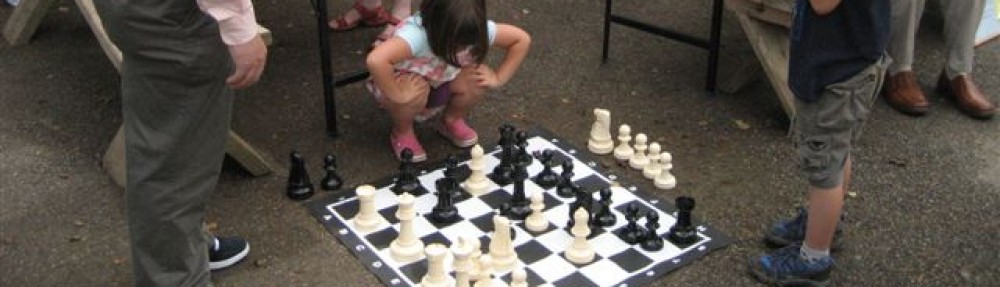
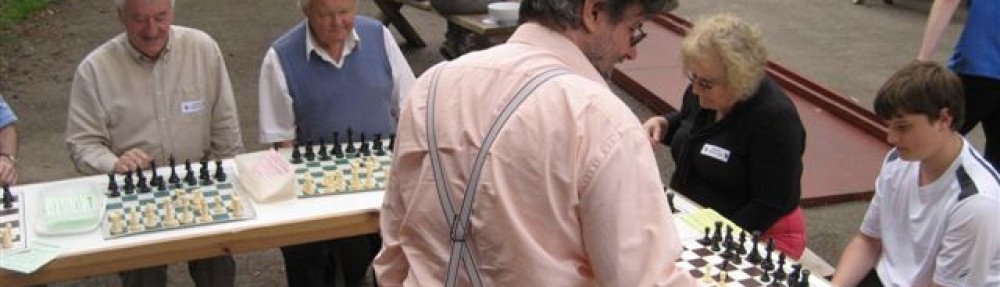
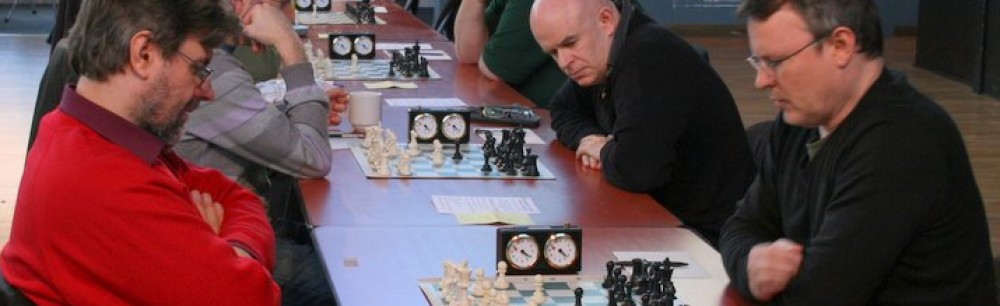
What do the banner photos show?

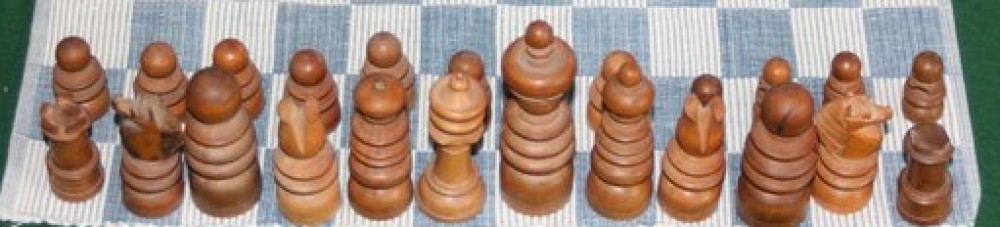
Courier chess

Courier chess

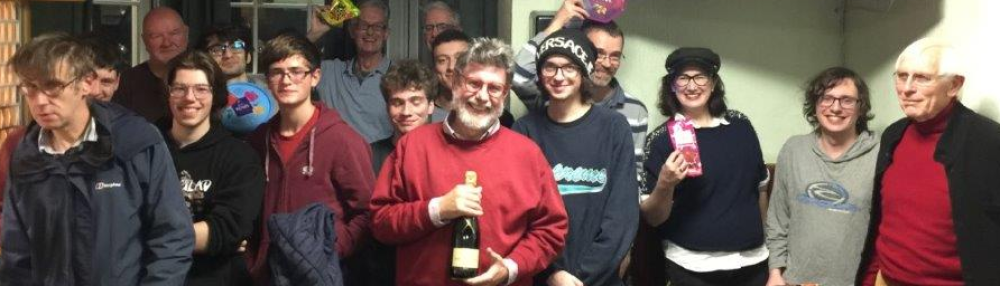
Bubble blitz, Exeter Chess Club.  I only dropped in to deliver a message!

'Barleycorn' bone chess set

‘Barleycorn’ bone chess set

Chess for Ewes

Chess for Ewes

See what you think of this one... Coaching with the England Team in Austria, 2012

See what you think of this one… Coaching with the England Team in Austria, 2012

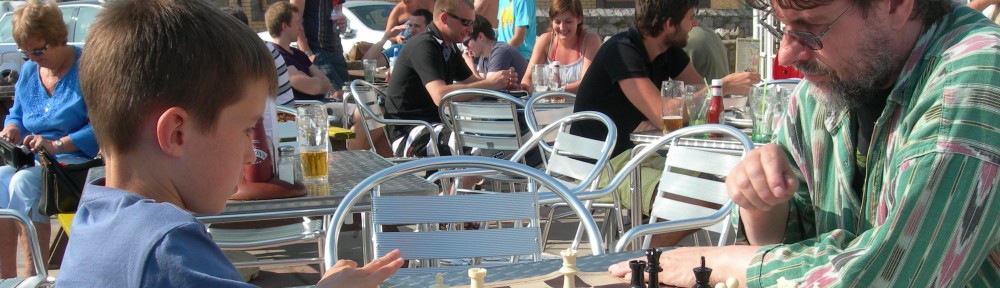
Chess for children

Chess for children

Thinking... Coaching with the England Team in Austria, 2012

Thinking… Coaching with the England Team in Austria, 2012

What I was thinking here was... Exmouth 2011

What I was thinking here was… Exmouth 2011

Dave's Bench... Exmouth 2011

Dave’s Bench… Exmouth 2011

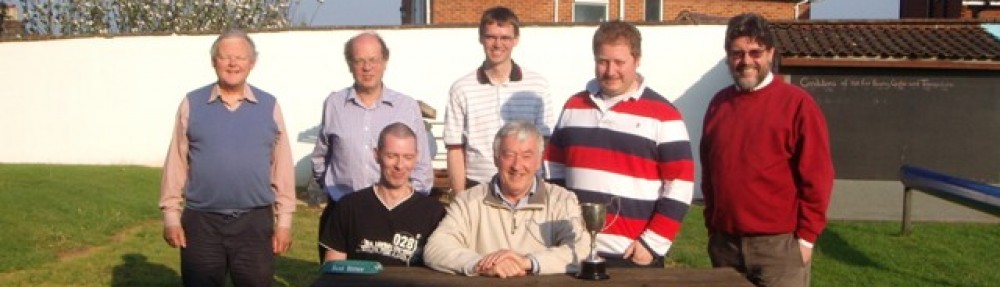
Exeter winning the Peter Rooke Cup in 2010

Exeter winning the Peter Rooke Cup in 2010

A great huge game of chess... (Alice)

A great huge game of chess… (Alice)

Competing in the East Devon Chess Congress, 2012

Competing in the East Devon Chess Congress, 2012

Take a close look at this position...

Take a close look at this position…

Competing in the West of England Chess Congress, 2013

Competing in the West of England Chess Congress, 2013

Exeter Chess Club Champions 1908-...

Exeter Chess Club Champions 1908-…

cropped-10ways4.jpg

Chess book author

Outdoor simultaneous display - the first couple of moves have gone OK... Chess in Haldon Forest, 2012

Outdoor simultaneous display – the first couple of moves have gone OK… Chess in Haldon Forest, 2012

Competing in the West of England Chess Congress, 2013

Competing in the West of England Chess Congress, 2013

Competing in the East Devon Chess Congress, 2012

Competing in the East Devon Chess Congress, 2012

What went wrong there?

After this quick loss, Black was not sure what he did that was so bad. Come and look for clues with me…

Dr.Dave’s further adventures at East Devon, 2007-2012

East Devon Congress, Open Section, 2007

Four games and no wins is so-so, but the blunder count was reassuringly
low, and I had a good attempt at winning a couple of games, including
the one against Helbig, who was the strongest player I faced. So,
progress of sorts.

{Wretchedly got a bye in the first round. }

Click on […] to see games list.

East Devon Congress, 2008

I think Harry and Laura were down again.

East Devon Congress, Open Section, 2009

A much better score, even though this may prove nothing more than the
workings of chance. The first game did feature an absolutely wretched
series of oversights, but the rest was quite heartening. In reality, I
don’t know that I was playing that much better; I was just present at
the scene when Ponter had a brainfart and Helbig was visibly impatient
to get the game over, with the usual consequence.

Click on […] to see games list.

East Devon Congress, 2010

I think Harry and Laura were down again.

East Devon Congress, 2011

Young Theo Slade was staying with me, and I didn’t want to be playing
when he was ready to go home.

East Devon Congress, Open Section, 2012

Young Theo Slade was staying with me again, and I didn’t want to miss
the chance of playing again!

http://www.chessdevon.co.uk/P1000141.jpg
As usual, only one splash of colour in the room, and it’s me…

I had a good season last year and this one has been going better; I
expect my weekly sessions trying to keep up with Theo have something to
do with it. So, no longer content to draw with 160+ players, I made a
good start, but that was the best of it. Woodruff’s improvised opening
wasn’t hard to cope with, but I didn’t make much of it, and although I
played OK for the first part of the game against Mackle, the rest was
pretty lame. The Wensley game was awful, and although I had some ideas
against Stephens, I just missed the chance to pick up material and
immediately blew up, thrashing around trying to make something happen.
It all felt unbalanced and chaotic; bleah

Click on […] to see games list.

What’s the point of learning opening theory?

A four-board match played away at Exmouth one Saturday:

The top board players each made a mistake on move 5: 1.c4 e5 2.g3 Nc6 3.Bg2 f5 4.Nc3 Nf6 now 5.e3(?) was possibly inaccurate, allowing 5…d5! (see Kosten’s book) but Black didn’t play it, preferring 5…Be7.

Board 2, they both scampered along a main line of the French Tarrasch: 1.e4 e6 2.d4 d5 3.Nd2 Nf6 4.e5 Nfd7 5.Bd3 c5 6.c3 Nc6 7.Ne2 cxd4 8.cxd4 Qb6 9.Nf3 f6 10.exf6 Nxf6 11.0-0 Bd6 This is the tabiya, where the real first choice lies for White: 12.Nc3 0-0 13.Be3 Bd7 14.Re1 Be8. Now here all the books give this position as equal; although it is unbalanced I don’t know why White wants to play this line. We than had 15.Ng5 (a very important move) and then 15…Bh5? which was the first deviation from theory… White can now get an instant plus with 16.Bxh7+! e.g. 16…Nxh7 17.Qxh5 Nxg5 18.Qxg5 Nxd4? 19.Nxd5! but it was not refuted by White’s chosen move, 16.Qb1?! …

Board three was a bit less theoretical, although it has been played before: 1.Nf3 g6 2.e4 c5 3.Bc4 Bg7 4.0-0 e6 5.c3 Ne7 6.d4 cxd4 7.cxd4 d5 8.exd5 after which Black surely should not have played 8…exd5(?) but 8…Nxd5, when there is some sort of plan against the IQP instead of a ‘normal’ White small plus with no prospects for Black.

And Board 4 had the unlikely start 1.e4 c5 2.Nf3 d6 3.h3…

So, opening preparation can be a complete waste of time!

“For example, I spent a couple of years studying all the possible transpositions in the Noteboom, but then guess what? Almost nobody gave me a chance to play it, preferring an early e2-e3 and the Anti-Meran…” Ruslan SCHERBAKOV

Storm on a chessboard

A few years ago I was interested in David Pritchard’s account of an original
French game (Tempête sur l’échiquier) in his book of chess variants. I found
the artwork a delight, and was curious recently to try and discover what had
been made of it since – in particular, if there is now an English version.
Indeed there is, released by Steve Jackson games:

http://en.wikipedia.org/wiki/Knightmare_Chess

And it has a fan page:

http://knightmarechess.tripod.com/thegame_r.html.

The team at Chess Variants led by the indefatigable Hans Bodlaender give
it a bit of space, but they hated the new artwork:

http://www.chessvariants.org/cards.dir/knightmare.html

I think the fan is not reading right the reaction of the CV team

Hans said he finds the artwork ‘disturbing’ (a word he may have used),
but the Knightmare fan doesn’t take this at face value, and suggests that
Hans is a chess purist who takes exception to the deviation offered by
Knightmare – perhaps because you have to throw away conventional chess
strategy.

Of course, I can imagine a chess ‘purist’, by definition, not liking any
variation on chess, but most chess players know and enjoy several
variations of the orthodox game. That’s certainly true for me, and I use
a lot of chess variants with my junior chess club. Some of these
variants do require you to re-think strategy from scratch, so I don’t
think that is going to be a problem for most people and certainly not
for Hans, or whoever wrote the review for Chess Variants, who devote
a lot of time and energy celebrating the diversity of such variants.

The description of the original French game on the chessvariants.org
site is actually sympathetic (‘hilarious’) and elsewhere describes it as
‘lots of fun’.

http://www.chessvariants.org/cards.dir/tempete.html

So if Hans says he finds the new Knightmare artwork ‘disturbing’, I
would take his comment at face value.

I found the original French artwork to be very engaging – so much so, I
resolved to track down a pack. Naturally, I wondered what beef Hans had
with the Knightmare version. It took me precisely four clicks from the
Knightmare fan website to find I had exactly the same reaction as Hans
to the new SJ artwork:

http://www.sjgames.com/knightmare/
http://www.sjgames.com/knightmare/gallery/
http://www.sjgames.com/knightmare/gallery/01.html
http://www.sjgames.com/knightmare/img/kc_003.gif

That combination of over-the-top sexuality and realistic violence really
isn’t anything I want to put under the noses of anyone at my club, young
or old, male or female. So I think my best hope to wait for a re-release
of the European version.

http://www.faidutti.com/index.php?Module=mesjeux&id=338
http://fr.wikipedia.org/wiki/Temp%C3%AAte_sur_l%27%C3%A9chiquier

Playing for a win

Jonathan had a frustrating game recently, where his hopes of an interesting game with chances to win came to nothing. Have a play through this one and have see what you think.

Murray-Waley, 2011 (see games appended)

With hindsight, the various exchanges and the symmetrical pawn formation with likely further exchanges of Rooks were strong drawing factors. So we can suggest:

  • finding an opening formation which retains more tension
  • the tactical sequence at move 12 should have been avoided
  • more patience and perhaps more subtlety was needed later to build up an advantage, but perhaps by then it was already too late to avoid the oncoming draw

We can see the same double-whammy of symmetrical pawns, two open central files and imminent Queen exchanges in this encounter:

Waters-Paulden, 2011

So, how to play next time? Alexander Alekhin showed a game with this theme in the very first issue of chess magazine in 1935:

Forder-Alekhin, 1935

The whole magazine can be downloaded from http://www.ukgamesshop.com/Merchant2/merchant.mvc?Screen=PROD&Product_Co…

It’s not impossible to play for a win from unpromising symmetrical material, but you need a bit of grandmasterly technique, and perhaps grandmasterly grit as well:

Miles-Webb, 1975

Lastly, the player who I associate more than anyone with making something out of nothing is the great Cuban champion:

Capablanca-Vidmar, 1924

Examination of a game

“The unexamined life is not worth living” – Socrates
“The unexamined game is not worth playing” – Dr.Dave

Warming up 1

Play through this game and see what you think. I have omitted the final
moves, which are left as an exercise for the reader.

Warming up 2 – examples

A critical decision, which affected the whole course of the rest of the
game, was 12…g5.

To help us understand this move, let us look at some other positions
where Black throws in …g5, and see what we think.

Here are the other examples:

#2

#3

#4

#5

#6

#7

#8

Warming up 3 – comments

I think if you had to put them in some sort of order of merit, they might go:

Best – 6 4 3 2 8 5 7 – Worst

#7 is a rank blunder (1…g5?? 2.Nxg5). “Why did you play it, then?” I
guess I thought that it was a quiet, stodgy position, and so I didn’t
have to look out for my opponent’s tactics. I am here to inform you,
ladies and gentlemen, there is no such position…

6 and 4 very thematic tries (!), nibbling away on the long diagonal with
hope of using some pawn ‘levers’ to open lines, thanks to White’s
earlier pawn moves. 4 in fact reproduces the famous plan from
Fischer-Andersson, 1970. [Examples 4 and 6 also arose from this same
line of the English opening as our game.]

#2 is a poor move: there is no reason why Black should be entitled to
attack White’s solid and well-developed position with the Queen’s-side
still asleep. White immediately blew up the centre, and won with… a
King’s-side attack!

#5 looks simply weakening to me; the Knight gratefully hops into f5, and
after an exchange (or even a pawn sacrifice) on f5, White will own the
32 light squares.

#8 is a try for some play in a poor position; Black’s set-up is not
inspiring, but if left alone White is going to take apart the
Queen’s-side with d4-d5 and/or c4-c5 (options White doesn’t have in
#6). [This also arose from the same line of the English.]

#3 is a French Defence, and a good example of a modern chess opening
variation; the tension in the centre has spread to the wings. With a
closed centre, Black’s King is safe enough for now, and …g5 is both a
simple threat to win a pawn (which can be simply dealt with) and also a
bid for King’s-side concessions, which is not so easily rebuffed. I
think the verdict on this move is currently += and so !? at best (even
?!), but a while ago it was !? and ~, and it might become ~, = or even
=+ if someone comes up with a good idea for Black.

And finally:

The game with comments:

The Petroff Defence for Beginners

The Petroff Defence for beginners

+-----------------+
|rhb1kg.4|
|0p0p+p0p|
|.+.+.h.+|
|+.+.0.+.|
|.+.+P+.+|
|+.+.+N+.|
|P)P).)P)|
|$NGQIB+R|
+-----------------+

An Exeter Junior Chess Club booklet

Edition 2.,

May, 11

Bibliography:

Karpov,
The Open Game in Action

Kasparov/Keene,
Batsford Chess Openings

Levy/Keene,
An Opening Repertoire for the Attacking Club Player

walker,
Chess Openings for Juniors

Various magazines and other books


Introduction 3

a. Symmetry in chess 3

b. The isolated Queen’s pawn 4

A. The Classical Variation, 3. Nxe5 5

3… d6 5

1. An alternative on move 4 for White: 4. Nxf7, The Cochrane Gambit
5

2. Main line with 4. Nf3 6

1.1 An alternative on move 5 for White: 5. Qe2, Lasker Variation 6

1.2 The main line with 5. d4 7

1.2 (a) 6…Bd6 Marshall Gambit 7

1.2 (b) 6…Be7 Main Line 8

1.2 (b1) Main line with 8. c4 8

(b1-i) 8… Bg4 9

(b1-ii) 8… Nb4 9

(b1-iii) 8… Nf6 10

1.2 (b2) Main line with 8. Re1 11

(b2-i) 8… Bf5 11

(b2-ii) 8…Bg4 12

(1) Modestly, 9. c3 12

(2) Ambitiously, 9. c4 13

B. The Steinitz Variation, 3. d4 14

(a) 3…exd4 14

(b) 3…Nxe4 15

(b1) 4. dxe5 15

(b2) 4. Bd3 15

(b2-i) 5…Nd7 15

(b2-ii) 5…Bd6 16

C. White tries to get into the Four Knight’s Game, 3. Nc3 17

D. The Boden-Kieseritsky Gambit, 3. Bc4 18

Example games 19

Lasker – Pillsbury, St. Petersburg, 1895 19

Kupreichik – Mikhailchishin, Kujbyshev, 1986 20

Dolmatov – Makarichev, Palma, 1989 21

Introduction

The Petroff is a quiet success story in chess – an old and often
forgetten variation which can give Black a safe way of working for
equal chances in an open game, while avoiding White’s favourite lines.
This booklet tries to give an overview of the Petroff from both sides.
It has a reputation for being “dull and a draw”, but can offer exciting
attacking possibilities for either side. There are a couple of general
themes I’d like to deal with immediately: symmetry, and the isolated
Queen’s pawn.

a. Symmetry in chess

Symmetry usually means equality, and likelihood of a draw – no good
if you are trying to win. The symmetrical Petroff has reputation for
drawishness, but that is not really justified. Look at the Illustrative
Games if you still think the Petroff is dull! And what is drawn at
Grandmaster level can still have a lot of meat left in it for amateur
players (like the Colle system).

+-----------------+
|rhb1kgn4|
|0p0.+p0p|
|.+.+.+.+|
|+.+p+.+.|
|.+.).+.+|
|+.+.+.+.|
|P)P+.)P)|
|$NGQIBHR|
+-----------------+

For example, after 1. e4 e6 2. d4 d5 3. exd5 exd5 (the Exchange
Variation of the French Defence), we have a symmetrical pawn formation
with the likelihood of exchanges of the major pieces down the e-file.
In fact, Black wins lots of games in this line, perhaps because it is a
line chosen by weak White players seeking a draw against strong Black
players. (Perhaps the best way to play for a draw is to go for a win!)

+-----------------+
|rhb1kg.4|
|0p0.+p0p|
|.+.+.+.+|
|+.+p+.+.|
|.+.)n+.+|
|+.+.+N+.|
|P)P+.)P)|
|$NGQIB+R|
+-----------------+

This line of the Petroff (1. e4 e5 2. Nf3 Nf6 3. Nxe5 d6 4. Nf3
Nxe4 5. d5 d5) has perhaps the worst reputation for drawishness, but
let’s have a look. Black has an aggressive Knight on e4 – it even looks
as if Black is a move ahead. White is not necessarily trying to draw in
this variation, and it is White to move. White will try to undermine
the Ne4 with moves like Bd3, Re1 and c4; Black can try to castle
Queen’s-side and belt down the other wing. All this can make for
exciting and tense struggles in an open game, which might be a lot
better than suffering White’s favourite line of the Ruy Lopez.

b. The isolated Queen’s pawn

Several lines of the Petroff can lead to an isolated Queen’s pawn
(IQP) position, if White plays to undermine the Black Knight on e4 with
c4, and Black later plays …dxc4. White will have the last remaining
central pawn on d4, a situation which is known from many other
openings. For example:

The isolated Queen’s pawn in the Semi-Tarrasch Defence to the
Queen’s Gambit

1. d4 d5 2. c4 e6 3. Nc3 Nf6 4. Nf3

+-----------------+
|rhb1kg.4|
|0p0.+p0p|
|.+.+ph.+|
|+.+p+.+.|
|.+P).+.+|
|+.H.+N+.|
|P).+P)P)|
|$.GQIB+R|
+-----------------+

4… c5 5. cxd5 Nxd5 6. e3 Nc6 7. Bd3 Be7 8. O-O O-O 9. a3 cxd4 10.

exd4 Bf6

+-----------------+
|r+b1.4k+|
|0p+.+p0p|
|.+n+pg.+|
|+.+n+.+.|
|.+.).+.+|
|).HB+N+.|
|.).+.)P)|
|$.GQ+RI.|
+-----------------+

The isolated Queen’s pawn in the Caro-Kann Defence, Panov-Botvinnik
Attack

1. e4 c6 2. d4 d5 3. exd5 cxd5 4. c4

+-----------------+
|rhb1kgn4|
|0p+.0p0p|
|.+.+.+.+|
|+.+p+.+.|
|.+P).+.+|
|+.+.+.+.|
|P).+.)P)|
|$NGQIBHR|
+-----------------+

4… Nf6 5. Nc3 e6 6. Nf3 Be7 7. cxd5 Nxd5 8. Bd3 Nc6 9. O-O O-O 10.
a3

Bf6

Exactly the same!

+-----------------+
|r+b1.4k+|
|0p+.+p0p|
|.+n+pg.+|
|+.+n+.+.|
|.+.).+.+|
|).HB+N+.|
|.).+.)P)|
|$.GQ+RI.|
+-----------------+

And in the Petroff:

1. e4 e5 2. Nf3 Nf6 3. Nxe5 d6 4. Nf3 Nxe4 5. d5 d5 6. Bd3 Be7 7.
O-O Nc6 8. c4 Nf6
9. Nc3 dxc4 10. Bxc4 O-O 11. Nc3 Nd6 12. Bb3

+-----------------+
|r+b1.4k+|
|0p0.gp0p|
|.+.h.+.+|
|+.+.+.+.|
|.h.).+.+|
|+BH.+N+.|
|P).+.)P)|
|$.GQ+RI.|
+-----------------+

So the IQP is important to know about, although in the Petroff
Black doesn’t have the Bc8 stuck behind the e6 pawn. White’s ideas will
still be the same: develop quickly, use the extra space to dodge about,
avoid exchanges (to keep Black cramped), play Ne5, look for a chance to
start a King’s-side attack using the light-squared bishop, maybe throw
in Rf1-e1-e3-h3.

So, let’s have a look at some variations.

A. The Classical Variation, 3. Nxe5

+-----------------+
|rhb1kg.4|
|0p0p+p0p|
|.+.+.h.+|
|+.+.H.+.|
|.+.+P+.+|
|+.+.+.+.|
|P)P).)P)|
|$NGQIB+R|
+-----------------+

Black must now play 3…d6. Why not 3… Nxe4? White answers 4. Qe2!

+-----------------+
|rhb1kg.4|
|0p0p+p0p|
|.+.+.+.+|
|+.+.H.+.|
|.+.+n+.+|
|+.+.+.+.|
|P)P)Q)P)|
|$NG.IB+R|
+-----------------+

Now 4… Qe7…

[Not 4… Nf6?? 5. Nc6+!

Variation

+-----------------+
|rhb1kg.4|
|0p0p+p0p|
|.+N+.h.+|
|+.+.+.+.|
|.+.+.+.+|
|+.+.+.+.|
|P)P)Q)P)|
|$NG.IB+R|
+-----------------+


winning the Q]

…and now 5. Qxe4 d6 6. f4 dxe5 7. fxe5 wins a pawn.

So, from the first diagram in the column:

3… d6

+-----------------+
|rhb1kg.4|
|0p0.+p0p|
|.+.0.h.+|
|+.+.H.+.|
|.+.+P+.+|
|+.+.+.+.|
|P)P).)P)|
|$NGQIB+R|
+-----------------+

Now, White almost always plays the main line with 4. Nf3, but there
are two alternatives: 4. Nxf7, the Cochrane Gambit, and 4. Nc4. I have
never seen this last move played, and I don’t think it is dangerous,
but it does deny Black the natural …Bg4 pin. BCO recommends 4. Nc4
Nxe4 5. d4 d5 6. Ne3 Qf6 and 7…Be6 with an early …O-O-O in mind.

So that leaves us with the Cochrane Gambit to examine before we go
down the main line.

1. An alternative on move 4 for White: 4. Nxf7, The Cochrane Gambit

+-----------------+
|rhb1kg.4|
|0p0.+N0p|
|.+.0.h.+|
|+.+.+.+.|
|.+.+P+.+|
|+.+.+.+.|
|P)P).)P)|
|$NGQIB+R|
+-----------------+

Looks crazy? Looks promising? Your chess personality may make you
feel confident as White or Black in this position, but either way, you
must know about it.

4… Kxf7 5. d4

Black has tried:

[5… Nxe4? 6. Qh5+ g6 7. Qd5+ Be6 8. Qxe4]

[5… d5?! 6. e5 Ne8 7. Bd3 g6 8. h4]

So Black should prefer the safer:

5…g6 6. Nc3

+-----------------+
|rhb1.g.4|
|0p0.+k+p|
|.+.0.hp+|
|+.+.+.+.|
|.+.)P+.+|
|+.H.+.+.|
|P)P+.)P)|
|$.GQIB+R|
+-----------------+

Now BCO recommends the odd-looking:

6… Qe8

Other tries seem inadequate, e.g.

6… Bg7 7. Bc4+ Be6 8. Bxe6+ Kxe6 9. f4 Kf7 10. e5 Ne8

[or 10… Re8 11. O-O Nc6 12. exf6 Qxf6 13. Nb5 Re7 14. c3
o’neill-solomon 1985]

11. Qf3 c6 12. Ne4+-

+-----------------+
|rh.1n+.4|
|0p+.+kgp|
|.+p0.+p+|
|+.+.).+.|
|.+.)N).+|
|+.+.+Q+.|
|P)P+.+P)|
|$.G.I.+R|
+-----------------+

… with better chances for White (Makropoulos-Toth 1981).


2. Main line with 4. Nf3

Black should take the chance to recover the pawn with

4… Nxe4.

white has a choice now, between 5.Qe2, the Lasker Variation, leading
to an early endgame, or 5. d4, the main line.

1.1 An alternative on move 5 for White: 5. Qe2, Lasker Variation

+-----------------+
|rhb1kg.4|
|0p0.+p0p|
|.+.0.+.+|
|+.+.+.+.|
|.+.+n+.+|
|+.+.+N+.|
|P)P)Q)P)|
|$NG.IB+R|
+-----------------+

This pin is not dangerous here with the White Knight on f3, just
awkward for the moment.

5… Qe7 6. d3 Nf6 7. Bg5 Nbd7 8. Nc3 Qxe2+ 9. Bxe2 Be7=

+-----------------+
|r+b+k+.4|
|0p0ngp0p|
|.+.0.h.+|
|+.+.+.G.|
|.+.+.+.+|
|+.HP+N+.|
|P)P+B)P)|
|$.+.I.+R|
+-----------------+

White cannot claim any advantage in this endgame, although Black
still needs to get fully developed. This variation is why the Petroff
is no good when you have to win as Black against a player who knows
this line.


1.2 The main line with 5. d4

+-----------------+
|rhb1kg.4|
|0p0.+p0p|
|.+.0.+.+|
|+.+.+.+.|
|.+.)n+.+|
|+.+.+N+.|
|P)P+.)P)|
|$NGQIB+R|
+-----------------+

Now Black can get an equal stake in the centre with:

5… d5

And White brings the Bf1 to its best square, so the King can castle.

6. Bd3

+-----------------+
|rhb1kg.4|
|0p0.+p0p|
|.+.+.+.+|
|+.+p+.+.|
|.+.)n+.+|
|+.+B+N+.|
|P)P+.)P)|
|$NGQI.+R|
+-----------------+

Like White, Black should plan to get the K off the open e-file as
soon as possible, and Black has a choice of two squares for the Bf8:

(a) 6…Bd6, a move of Frank Marshall – which looks good but is
perhaps trying a bit too hard – or the safe (b) 6…Be7, sealing the
e-file.

1.2 (a) 6…Bd6 Marshall Gambit

+-----------------+
|rhb1k+.4|
|0p0.+p0p|
|.+.g.+.+|
|+.+p+.+.|
|.+.)n+.+|
|+.+B+N+.|
|P)P+.)P)|
|$NGQI.+R|
+-----------------+

Let us follow the play after the natural moves:

7. O-O O-O 8. c4 Bg4!?

This is Marshall’s idea.

9. cxd5 f5 10. Re1?

One natural move too many.

+-----------------+
|rh.1.4k+|
|0p0.+.0p|
|.+.g.+.+|
|+.+P+p+.|
|.+.)n+b+|
|+.+B+N+.|
|P).+.)P)|
|$NGQ$.I.|
+-----------------+


10… Bxh2+ 11. Kxh2 Nxf2 12. Qc2 Nxd3 13. Qxd3 Bxf3

winning, because if Qxf3, then …Qh4+ will pick up the rook on e1.
Instead of falling for this trap White should play:


10. Nc3 Nd7 11. h3 Bh5 12. Nxe4 fxe4 13. Bxe4 Nf6 14. Bf5 +-

+-----------------+
|r+.1.4k+|
|0p0.+.0p|
|.+.g.h.+|
|+.+P+B+b|
|.+.).+.+|
|+.+.+N+P|
|P).+.)P+|
|$.GQ+RI.|
+-----------------+

…with advantage, as in the game Alexander- Mattinson from 1938.

So the rather boring truth about this line seems to be that back on
move eight Black should play instead

8… c6

when theory knows of

9. Nc3 Nxc3 10. bxc3 Bg4 11. cxd5 cxd5 12. Rb1 Nd7 13. h3 +=

+-----------------+
|r+.1.4k+|
|0p+n+p0p|
|.+.g.+.+|
|+.+p+.+.|
|.+.).+b+|
|+.)B+N+P|
|P+.+.)P+|
|+RGQ+RI.|
+-----------------+

Now, this position is solid but offers so few active possibilities
for Black that we should prefer as Black 6…Be7.


1.2 (b) 6…Be7 Main Line

+-----------------+
|rhb1k+.4|
|0p0.gp0p|
|.+.+.+.+|
|+.+p+.+.|
|.+.)n+.+|
|+.+B+N+.|
|P)P+.)P)|
|$NGQI.+R|
+-----------------+

And now play often goes:

7. O-O Nc6

…when White has a choice:

+-----------------+
|r+b1k+.4|
|0p0.gp0p|
|.+n+.+.+|
|+.+p+.+.|
|.+.)n+.+|
|+.+B+N+.|
|P)P+.)P)|
|$NGQ+RI.|
+-----------------+

Hit at the centre with 8.c4 (b1), or develop with 8.Re1 (b2). (White
can also play 8.Re1 and 9.c4, but this allows 8…Bg4.)

1.2 (b1) Main line with 8. c4

+-----------------+
|r+b1k+.4|
|0p0.gp0p|
|.+n+.+.+|
|+.+p+.+.|
|.+P)n+.+|
|+.+B+N+.|
|P).+.)P)|
|$NGQ+RI.|
+-----------------+

What are the alternatives here? Black does not have time for (b1-i)
8…Bg4. The position of the knight is now so wobbly that Black should
move it – both

(b1-ii) 8…Nb4, and

(b1-iii) 8…Nf6 have been tried.

(b1-i) 8… Bg4

+-----------------+
|r+.1k+.4|
|0p0.gp0p|
|.+n+.+.+|
|+.+p+.+.|
|.+P)n+b+|
|+.+B+N+.|
|P).+.)P)|
|$NGQ+RI.|
+-----------------+

Like I said, Black really doesn’t have time for this.

9. cxd5 Qxd5 10. Nc3 Nxc3 11. bxc3 Bxf3 12. Qxf3 Qxf3 13.
gxf3

+-----------------+
|r+.+k+.4|
|0p0.gp0p|
|.+n+.+.+|
|+.+.+.+.|
|.+.).+.+|
|+.)B+P+.|
|P+.+.).)|
|$.G.+RI.|
+-----------------+

The two bishops and strong centre give White the advantage in this

ending; White has natural ideas of Rb1 and Re1/Be3 which are
difficult

to meet.

(b1-ii) 8… Nb4

+-----------------+
|r+b1k+.4|
|0p0.gp0p|
|.+.+.+.+|
|+.+p+.+.|
|.hP)n+.+|
|+.+B+N+.|
|P).+.)P)|
|$NGQ+RI.|
+-----------------+

Now White usually preserves the bishop with:

9. Be2


[less promising seems
9. cxd5 Nxd3 10. Qxd3 Qxd5 11. Re1 Bf5 12. Ne5 g6=

Belyavsky-Smyslov 1986
]


After 9.Be2 Black has tried

(1) 9…Be6

(2) 9…O-O

(3) 9…dxc4

(1) 9… Be6

A line quoted by Karpov.

10. c5 Nc6 11. Qa4 a5 12. Ne5+=

+-----------------+
|r+.1k+.4|
|+p0.gp0p|
|.+n+b+.+|
|0.)pH.+.|
|Q+.)n+.+|
|+.+.+.+.|
|P).+B)P)|
|$NG.+RI.|
+-----------------+

With an advantage for White.

(2) 9… O-O

10. Nc3 Be6

+-----------------+
|r+.1.4k+|
|0p0.gp0p|
|.+.+b+.+|
|+.+p+.+.|
|.hP)n+.+|
|+.H.+N+.|
|P).+B)P)|
|$.GQ+RI.|
+-----------------+

The Grandmasters are still having a think about this one. It’s as
difficult for White to get an advantage as it is for Black to equalise!

BCO quotes games with 11. Be3, 11. a3, and 11. Nxe4!?. Having just
seen the Karpov line above, you might even fancy 11. c5!?


(3) 9… dxc4

This surrender of the centre doesn’t seem to work out too well for
Black.

10. Bxc4 O-O 11. Nc3 Nd6

12. Bb3+=

+-----------------+
|r+b1.4k+|
|0p0.gp0p|
|.+.h.+.+|
|+.+.+.+.|
|.h.).+.+|
|+BH.+N+.|
|P).+.)P)|
|$.GQ+RI.|
+-----------------+

…as in a couple of games from 1985, seems to leave White with a
plus in this IQP position. White will plan to complete development, and
then play Ne5 with hopes of an attack.


(b1-iii) 8… Nf6

+-----------------+
|r+b1k+.4|
|0p0.gp0p|
|.+n+.h.+|
|+.+p+.+.|
|.+P).+.+|
|+.+B+N+.|
|P).+.)P)|
|$NGQ+RI.|
+-----------------+

This is a safe and simple move. Play may continue:

9. Nc3 O-O 10. h3 dxc4

11. Bxc4 Na5 12. Bd3 Be6

13. Re1 Nc6 +=

+-----------------+
|r+.1.4k+|
|0p0.gp0p|
|.+n+bh.+|
|+.+.+.+.|
|.+.).+.+|
|+.HB+N+P|
|P).+.)P+|
|$.GQ$.I.|
+-----------------+

White is held to have a slight advantage in this well-explored
position due to the extra central space, although in the ending the
d-pawn may become exposed.

1.2 (b2) Main line with 8. Re1

+-----------------+
|r+b1k+.4|
|0p0.gp0p|
|.+n+.+.+|
|+.+p+.+.|
|.+.)n+.+|
|+.+B+N+.|
|P)P+.)P)|
|$NGQ$.I.|
+-----------------+

Black has a choice of squares for the last minor piece:

(b2-i) 8…Bf5

(b2-ii) 8…Bg4.

(b2-i) 8… Bf5

+-----------------+
|r+.1k+.4|
|0p0.gp0p|
|.+n+.+.+|
|+.+p+b+.|
|.+.)n+.+|
|+.+B+N+.|
|P)P+.)P)|
|$NGQ$.I.|
+-----------------+

Karpov has shown that this is inaccurate.

9. c4 Nb4 10. Bf1

[not 10…dxc4 11. Nc3 +- with clear advantage: Karpov-Portisch]

10… O-O 11. a3 Nc6 12. cxd5 Qxd5 13. Nc3 Nxc3 14. bxc3
Bg6+=

+-----------------+
|r+.+.4k+|
|0p0.gp0p|
|.+n+.+b+|
|+.+q+.+.|
|.+.).+.+|
|).).+N+.|
|.+.+.)P)|
|$.GQ$BI.|
+-----------------+

…with a small advantage for White: Karpov-Portisch 1982. Karpov is
rather behind in development at the moment but he is threatening to
unravel with c4, dominating the centre.

(b2-ii) 8…Bg4

+-----------------+
|r+.1k+.4|
|0p0.gp0p|
|.+n+.+.+|
|+.+p+.+.|
|.+.)n+b+|
|+.+B+N+.|
|P)P+.)P)|
|$NGQ$.I.|
+-----------------+

This very well-known position has a reputation for drawishness
(which is not really true at amateur level). White can play modestly
(1) 9. c3, or ambitiously (2) 9. c4.

(1) Modestly, 9. c3

+-----------------+
|r+.1k+.4|
|0p0.gp0p|
|.+n+.+.+|
|+.+p+.+.|
|.+.)n+b+|
|+.)B+N+.|
|P).+.)P)|
|$NGQ$.I.|
+-----------------+

This rather modest move can lead to an interesting gambit which
Black should not be afraid to play

9 … f5 10. Qb3 O-O 11. Nbd2

(See Lasker-Pillsbury below for 11.Bf4.)

11…Kh8 12. Qxb7 Rf6 13. Qb3 Rg6=

+-----------------+
|r+.1.+.i|
|0.0.g.0p|
|.+n+.+r+|
|+.+p+p+.|
|.+.)n+b+|
|+Q)B+N+.|
|P).H.)P)|
|$.G.$.I.|
+-----------------+


(2) Ambitiously, 9. c4

Black’s knight is again too wobbly in the centre.

9… Nf6 10. cxd5

+-----------------+
|r+.1k+.4|
|0p0.gp0p|
|.+n+.h.+|
|+.+P+.+.|
|.+.).+b+|
|+.+B+N+.|
|P).+.)P)|
|$NGQ$.I.|
+-----------------+


10… Bxf3

[10… Nxd5 is also known: 11. Nc3 O-O 12. h3 Be6 13. a3 Nxc3
14. bxc3 Bf6 15. Bf4 g6 16. Be4 Na5 17. Ne5 c6 18. Qf3+=

Variation

+-----------------+
|r+.1.4k+|
|0p+.+p+p|
|.+p+bgp+|
|h.+.H.+.|
|.+.)BG.+|
|).).+Q+P|
|.+.+.)P+|
|$.+.$.I.|
+-----------------+


After this long sequence, White has a small advantage which will
be long-lasting: Tseshkovsky-Barua 1986]

11. Qxf3 Qxd5 12. Qh3 Qxd4 13. Nc3 Rd8 14. Bf5 h5 15. Qg3
Kf8 16. Be3 Qb4 17. a3 Qa5 18. Qf3 g6 19. Bc2 h4

+-----------------+
|.+.4.i.4|
|0p0.gp+.|
|.+n+.hp+|
|1.+.+.+.|
|.+.+.+.0|
|).H.GQ+.|
|.)B+.)P)|
|$.+.$.I.|
+-----------------+

Another long variation, rather a messy one this time, which BCO
assesses as unclear. I prefer White here: Velimirovic-Kurajica 1984]


B. The Steinitz Variation, 3. d4

+-----------------+
|rhb1kg.4|
|0p0p+p0p|
|.+.+.h.+|
|+.+.0.+.|
|.+.)P+.+|
|+.+.+N+.|
|P)P+.)P)|
|$NGQIB+R|
+-----------------+

This is the main alternative to 3. Nxe4 and in the late 70s was
thought to give White good chances of advantage. That was because
everybody then played (a) 3..exd4. More recently Black has been
equalising with (b) 3…Nxe4.

(a) 3…exd4

+-----------------+
|rhb1kg.4|
|0p0p+p0p|
|.+.+.h.+|
|+.+.+.+.|
|.+.0P+.+|
|+.+.+N+.|
|P)P+.)P)|
|$NGQIB+R|
+-----------------+

Now White must try

4. e5 Ne4 5. Qxd4 +=

It has been thought for a long while that White has the edge here.

5… d5 6. exd6 Nxd6 7. Nc3 Nc6 8. Qf4 g6


[or 8… Bf5 when BCO gives 9. Bb5 Qe7+ 10. Be3 Nxb5 11. Nxb5
Qb4+ 12. Qxb4 Bxb4+ 13. c3 Bd6 14. Nxd6+ cxd6 15. O-O-O O-O-O 16. Nd4
Be6 17. b3 a6 18. Ne2+=

Variation

+-----------------+
|.+k4.+.4|
|+p+.+p0p|
|p+n0b+.+|
|+.+.+.+.|
|.+.+.+.+|
|+P).G.+.|
|P+.+N)P)|
|+.IR+.+R|
+-----------------+


when Black’s weak d-pawn gives White the better endgame
(Gurgenidze-Beim, 1982) ]

Natural moves to follow are:

9. Bd3 Bg7 10. O-O O-O+=

+-----------------+
|r+b1.4k+|
|0p0.+pgp|
|.+nh.+p+|
|+.+.+.+.|
|.+.+.!.+|
|+.HB+N+.|
|P)P+.)P)|
|$.G.+RI.|
+-----------------+

All the central pawns have disappeared, but White is a little better
placed (Short-Murei 1982-3)


(b) 3…Nxe4

+-----------------+
|rhb1kg.4|
|0p0p+p0p|
|.+.+.+.+|
|+.+.0.+.|
|.+.)n+.+|
|+.+.+N+.|
|P)P+.)P)|
|$NGQIB+R|
+-----------------+

Now White usually tries 4. Bd3, but we ought to have a quick look at
4.dxe5 before accepting this as best.

(b1) 4. dxe5

The game may now go:

4…d5 5. Nbd2 Nxd2 6. Bxd2 Be7 7. Bf4 c5 8. c3 Nc6 9. Bd3
Be6=

+-----------------+
|r+.1k+.4|
|0p+.gp0p|
|.+n+b+.+|
|+.0p).+.|
|.+.+.G.+|
|+.)B+N+.|
|P).+.)P)|
|$.+QI.+R|
+-----------------+

This position is about equal (Short-Seirawan 1986).

(b2) 4. Bd3

+-----------------+
|rhb1kg.4|
|0p0p+p0p|
|.+.+.+.+|
|+.+.0.+.|
|.+.)n+.+|
|+.+B+N+.|
|P)P+.)P)|
|$NGQI.+R|
+-----------------+

This is probably the best move here as on move 6 of the Classical
Variation.

4… d5 5. Nxe5

This variation is both like, and unlike, the Classical. Black’s main
tries are (b2-i) 5…Nd7 and (b2-ii) 5…Bd6, although 5…Be7 and even
other moves have been played.

(b2-i) 5…Nd7

+-----------------+
|r+b1kg.4|
|0p0n+p0p|
|.+.+.+.+|
|+.+pH.+.|
|.+.)n+.+|
|+.+B+.+.|
|P)P+.)P)|
|$NGQI.+R|
+-----------------+

White has tried all sorts of moves here:

(1) The cheeky 6. Nxf7

(2) The safe 6. Nxd7

(3) The logical 6. Qe2

I’ll just give one quick example of each.

(1) Cheeky

6. Nxf7 Kxf7 7. Qh5+ Ke7 8. Qxd5 Ndf6 9. Qb3 Be6 10. Qxb7
Bd5 11. Qa6 Kf7

+-----------------+
|r+.1.g.4|
|0.0.+k0p|
|Q+.+.h.+|
|+.+b+.+.|
|.+.)n+.+|
|+.+B+.+.|
|P)P+.)P)|
|$NG.I.+R|
+-----------------+

Nenashev-Baikov 1985: “unclear” says BCO!

(2) Safe

6. Nxd7 Bxd7 7. O-O Qh4 8. c4 O-O-O 9. c5 g5 10. Nc3 Bg7 11.
Ne2 f5 12. f3 Rhf8 13. a4 Rde8°

+-----------------+
|.+k+r4.+|
|0p0b+.gp|
|.+.+.+.+|
|+.)p+p0.|
|P+.)n+.1|
|+.+B+P+.|
|.).+N+P)|
|$.GQ+RI.|
+-----------------+

Again, “unclear” says BCO (Sveshnikov-Makarichev, 1987). It does
show how Black can play for a win if required.


(3) Logical

6. Qe2 Nxe5 7. Bxe4 dxe4 8. Qxe4 Be6 9. Qxe5 Qd7 10. O-O
O-O-O 11. Be3 Bb4 12. Nc3 f6 13. Qg3 Bxc3 14. bxc3 h5 15. h4 g5 16. f3
Rdg8-+

+-----------------+
|.+k+.+r4|
|0p0q+.+.|
|.+.+b0.+|
|+.+.+.0p|
|.+.).+.)|
|+.).GP!.|
|P+P+.+P+|
|$.+.+RI.|
+-----------------+

Not at all unclear: Black won in the famous upset of Karpov-Larsen,
1980

(b2-ii) 5…Bd6

+-----------------+
|rhb1k+.4|
|0p0.+p0p|
|.+.g.+.+|
|+.+pH.+.|
|.+.)n+.+|
|+.+B+.+.|
|P)P+.)P)|
|$NGQI.+R|
+-----------------+

The balance looks a little tense, but Black seems to be able to
hold.

6. O-O O-O 7. c4 Bxe5 8. dxe5 Nc6

+-----------------+
|r+b1.4k+|
|0p0.+p0p|
|.+n+.+.+|
|+.+p).+.|
|.+P+n+.+|
|+.+B+.+.|
|P).+.)P)|
|$NGQ+RI.|
+-----------------+

This position offers equal chances.


C. White tries to get into the Four Knight’s Game, 3. Nc3

+-----------------+
|rhb1kg.4|
|0p0p+p0p|
|.+.+.h.+|
|+.+.0.+.|
|.+.+P+.+|
|+.H.+N+.|
|P)P).)P)|
|$.GQIB+R|
+-----------------+

Now, after 3… Nc6 we get into those genuinely dull, drawish
variations of the Four Knights Game. I don’t care if Short and Nunn
have played it, it’s a poor line for juniors (in my opinion). It tends
to be stodgy and blocked, you probably won’t enjoy it and it doesn’t
give you the sort of training in open games that you need.

Thankfully Janowski found that Black can play

3… Bb4

+-----------------+
|rhb1k+.4|
|0p0p+p0p|
|.+.+.h.+|
|+.+.0.+.|
|.g.+P+.+|
|+.H.+N+.|
|P)P).)P)|
|$.GQIB+R|
+-----------------+

BCO now gives

4. Nxe5 O-O 5. Be2 Re8 6. Nd3 Bxc3 7. dxc3 Nxe4 =

+-----------------+
|rhb1r+k+|
|0p0p+p0p|
|.+.+.+.+|
|+.+.+.+.|
|.+.+n+.+|
|+.)N+.+.|
|P)P+B)P)|
|$.GQI.+R|
+-----------------+

…with equal chances in a more open game. White’s two bishops don’t
frighten me.


D. The Boden-Kieseritsky Gambit, 3. Bc4

Now Black can steer for the equally promising lines of the Two
Knights Defence with 3…Nc6, but to look at that properly will take
another booklet.

Two Knight’s Defence

+-----------------+
|r+b1kg.4|
|0p0p+p0p|
|.+n+.h.+|
|+.+.0.+.|
|.+B+P+.+|
|+.+.+N+.|
|P)P).)P)|
|$NGQI.+R|
+-----------------+

Black has no real reason to avoid:

3…Nxe4

white can try other moves, but the usual try is

4. Nc3 Nxc3 5. dxc3 Be7

+-----------------+
|rhb1k+.4|
|0p0pgp0p|
|.+.+.+.+|
|+.+.0.+.|
|.+B+.+.+|
|+.).+N+.|
|P)P+.)P)|
|$.GQI.+R|
+-----------------+

Black has no weaknesses, and White will find it difficult to get
through. Black will want to get the two bishops working, but must be
careful to keep lines
closed
until development is complete. White has tried various plans in
this position but they are all pretty unconvincing.


Example games

Lasker – Pillsbury, St. Petersburg, 1895

1. e4 e5 2. Nf3 Nf6 3. Nxe5 d6 4. Nf3 Nxe4 5. d4 d5 6. Bd3
Be7 7. O-O Nc6 8. Re1 Bg4 9. c3 f5 10. Qb3 O-O 11. Bf4

+-----------------+
|r+.1.4k+|
|0p0.g.0p|
|.+n+.+.+|
|+.+p+p+.|
|.+.)nGb+|
|+Q)B+N+.|
|P).+.)P)|
|$N+.$.I.|
+-----------------+

White allows the King’s-side to be weakened.

11… Bxf3 12. gxf3 Ng5 13. Kg2 Qd7 14. Qc2 Ne6 15. Bc1 Bd6
16. Nd2 Rae8 17. Nf1

+-----------------+
|.+.+r4k+|
|0p0q+.0p|
|.+ngn+.+|
|+.+p+p+.|
|.+.).+.+|
|+.)B+P+.|
|P)Q+.)K)|
|$.G.$N+.|
+-----------------+

Black’s pieces are much better placed than White’s. If White was
hoping to tempt Black into an unsound attack, he has only tempted
Pillsbury into a sound one.

17… Nexd4 18. Qd1 Rxe1 19. Qxe1

+-----------------+
|.+.+.4k+|
|0p0q+.0p|
|.+ng.+.+|
|+.+p+p+.|
|.+.h.+.+|
|+.)B+P+.|
|P).+.)K)|
|$.G.!N+.|
+-----------------+

Black now starts a king hunt, sacrificing a piece for a couple of
pawns.

19… Nxf3 20. Kxf3 f4 21. Qd1 Ne5+ 22. Ke2 Qg4+ 23. Kd2
Qxd1+ 24. Kxd1 Nxd3

+-----------------+
|.+.+.4k+|
|0p0.+.0p|
|.+.g.+.+|
|+.+p+.+.|
|.+.+.0.+|
|+.)n+.+.|
|P).+.).)|
|$.GK+N+.|
+-----------------+

Black has recovered his piece, and still has his pawns. White is
lost.

25. Ke2 Ne5 26. f3 Re8 27. b3 Ng4+ 28. Kd2 Ne3 29. Bb2 Ng2
30. h3 Bc5 31. Nh2 Bf2 32. c4 dxc4 33. bxc4 h5 0-1

+-----------------+
|.+.+r+k+|
|0p0.+.0.|
|.+.+.+.+|
|+.+.+.+p|
|.+P+.0.+|
|+.+.+P+P|
|PG.I.gnH|
|$.+.+.+.|
+-----------------+

If anything, White’s position has gone from bad to worse.

Kupreichik – Mikhailchishin, Kujbyshev, 1986

1. e4 e5 2. Nf3 Nf6 3. Nxe5 d6 4. Nf3 Nxe4 5. c4!? Nc6 6.
d4?!

[Mikhailchishin gives 6. Be2 d5 7. Nc3 Be6]

6… d5 7. Nc3 Bb4 8. Qc2 Qe7 9. Be3 Bf5

Black has the advantage: White cannot easily complete development
and his poor Queen is embarrassed.

+-----------------+
|r+.+k+.4|
|0p0.1p0p|
|.+n+.+.+|
|+.+p+b+.|
|.gP)n+.+|
|+.H.GN+.|
|P)Q+.)P)|
|$.+.IB+R|
+-----------------+


10. Qc1

[10. Bd3?! dxc4 11. Bxc4 Ng3-+]

10… Nxc3 11. bxc3 Ba3 12. Qd2 Nb4!!

+-----------------+
|r+.+k+.4|
|0p0.1p0p|
|.+.+.+.+|
|+.+p+b+.|
|.hP).+.+|
|g.).GN+.|
|P+.!.)P)|
|$.+.IB+R|
+-----------------+

White is busted. He tries to hang on with Ke2 but it doesn’t take
much longer with the K stuck in the middle.

13. Ke2 Nc2 14. Rd1 dxc4 15. Ne5 O-O 16. f3 b5 17. g4 Nxe3
18. Qxe3 Bd7 19. Kf2 Rae8 20. Qd2 Bc8 21. Re1 Qh4+ 22. Kg2 f6 0-1

Janowsky – Marshall, 1912

1. e4 e5 2. Nf3 Nf6 3. Nxe5 d6 4. Nf3 Nxe4 5. d4 d5 6. Bd3
Bd6

6…Be7 is honestly better

7. c4 O-O 8. cxd5

Castling was a lot better here

8… Bb4+ 9. Kf1 Qxd5 10.

Qc2 Re8 11. Nc3 Nxc3 12. bxc3

+-----------------+
|rhb+r+k+|
|0p0.+p0p|
|.+.+.+.+|
|+.+q+.+.|
|.g.).+.+|
|+.)B+N+.|
|P+Q+.)P)|
|$.G.+K+R|
+-----------------+


12… Qxf3!! 13. cxb4

[13. gxf3 Bh3+ 14. Kg1 Re1+ 15. Bf1 Rxf1#]

13… Nc6 14. Bb2 Nxb4 15. Bxh7+ Kh8 16. gxf3 Bh3+ 17. Kg1
Nxc2 18. Bxc2 Re2 19. Rc1 Rae8 20. Bc3

+-----------------+
|.+.+r+.i|
|0p0.+p0.|
|.+.+.+.+|
|+.+.+.+.|
|.+.).+.+|
|+.G.+P+b|
|P+B+r).)|
|+.$.+.IR|
+-----------------+


20… R8e3

[brilliant, but 20… Rxc2 21. Rxc2 Re6 was easier]

21. Bb4

[21. fxe3 Rg2+ 22. Kf1 Rxc2+ 23. Ke1 Rxc1+ 24. Kd2 Rxh1]

21… Rxf3 22. Bd1 Rf6 0-1


Dolmatov – Makarichev, Palma, 1989

1. e4 e5 2. Nf3 Nf6 3. d4 Nxe4 4. Bd3 d5 5. Nxe5 Nd7 6. Nxd7
Bxd7 7. O-O Qh4 8. c4 O-O-O 9. c5 g5 10. f3!? Nf6 11. Be3 Rg8 12. Nc3
g4

Black plays with great energy and has a fierce attack.

+-----------------+
|.+k4.gr+|
|0p0b+p+p|
|.+.+.h.+|
|+.)p+.+.|
|.+.).+p1|
|+.HBGP+.|
|P).+.+P)|
|$.+Q+RI.|
+-----------------+


13. Qe1

[13. Bf2 is better]

13… g3 14. hxg3 Rxg3

+-----------------+
|.+k4.g.+|
|0p0b+p+p|
|.+.+.h.+|
|+.)p+.+.|
|.+.).+.1|
|+.HBGP4.|
|P).+.+P+|
|$.+.!RI.|
+-----------------+

15. Qd2

[not 15. Bf2, as 15….Rxg2+ 16. Kxg2 Qh3+ 17. Kg1 Bd6 18. cxd6
Rg8+ wins]

15… Bxc5 16. dxc5 Rdg8 17. Rad1 d4 18. c6 dxe3 19. cxd7+
Kd8 0-1

+-----------------+
|.+.i.+r+|
|0p0P+p+p|
|.+.+.h.+|
|+.+.+.+.|
|.+.+.+.1|
|+.HB0P4.|
|P).!.+P+|
|+.+R+RI.|
+-----------------+

Black has various threats – …Rh3, …Rxg2, …Qf2+ and so on –
which cannot all be met.

“Dull and a draw”, eh?